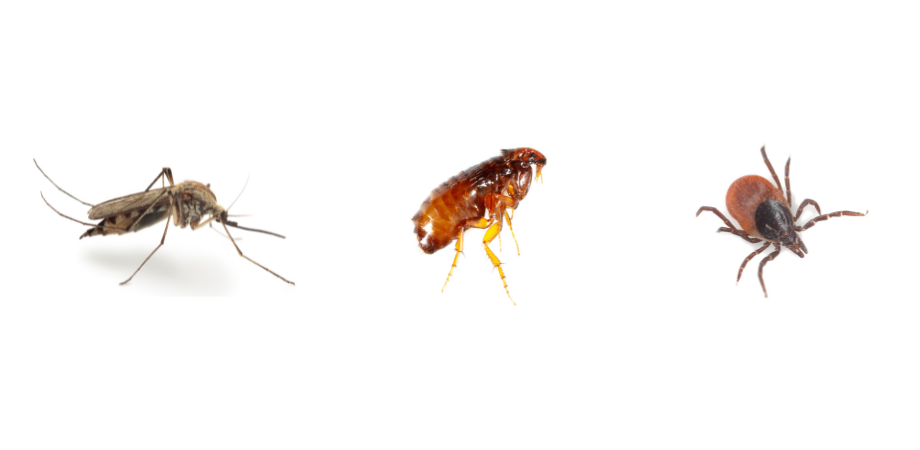
As the weather gets warmer, insects like mosquitoes, fleas, and ticks start waking up. These pests are a nuisance to people spending time outdoors, and they can also transmit diseases to people and pets. From your average homeowner to outdoor concert venues, you’ll be hard-pressed to find a customer who wouldn’t benefit from insect treatments. Before making treatments, make sure you have the correct license for your state as well as the proper equipment.
That equipment can include a backpack sprayer, a mist sprayer, and the appropriate personal protective equipment. When it comes to sprayers, a mist sprayer will give you broad coverage with finer droplets, whereas a standard backpack sprayer will provide a precise, targeted application. Take a look at our FlowZone line of sprayers for more information.
Having the right equipment is certainly important, but it’s equally important to be well-versed in the insects you’re treating, including their lifecycles, preferred habitats, and the harm they can cause.
Mosquitoes
How They’re Born and What They Do
Female mosquitoes like to lay their eggs in water, and it can be in a very small amount of water. They can also lay their eggs on the sides of containers, like buckets, and the eggs will hatch once the containers fill with water. Anything that holds water for a period of seven days is a potential breeding site, and you’ll probably find mosquito larvae there.
Once they’ve grown up enough to take to the skies, mosquito activity usually begins once the average overnight temperature reaches around 50°F. They like to hang out in dark, humid areas around buildings, such as under outdoor furniture and sheds.
It’s important to note that mosquitoes are the primary vector for the West Nile virus in humans, heartworm disease in canines, and encephalitis in both humans and animals. They are also the most prevalent disease vector worldwide. So, while mosquitoes will primarily be an annoyance, the risk is there for serious health issues. Only adult female mosquitoes take blood meals.
Cultural Control Practices
Make sure you get rid of any standing water in the area. Also, keep mowing heights low and trim bushes and shrubs so the mosquitoes don’t have a dark, humid place to hide.
Insecticide Treatments
Spraying bifenthrin at a rate of one fluid ounce per gallon of water per thousand square feet is a tried and true way to control mosquitoes on turf and landscapes. These applications will last between 21 and 28 days, depending on rainfall and whether a spreader sticker is used. Scion is another great option, which should be applied at 0.65 fluid ounces per gallon of water per thousand square feet. If you’re a lawn care operator (LCO) treating many properties, Scion’s residual of up to 90 days will be very appealing.
When it comes to small ponds and water features, BTI larvicides and insect growth regulators can control mosquito larvae populations. Be careful with these products if fish are present. Bodies of water with movement (intakes and outflows) tend to have fewer mosquito issues.
Fleas
All About Fleas
Fleas behave a bit like vampires. They like to drink blood and avoid direct sunlight. They also don’t like open, grassy areas. They prefer to spend their time in moist, shady areas like leaf piles, grass clippings, and bushes. They also like to hang out in places where pets are, such as doghouses.
Fleas don’t typically bite people, but they can. Their primary target is animals. They will bite pets, typically around their ankles and calves, causing welts and irritation. Fleas can take 10-15 blood meals daily, and multiple bites in a row are a common sign of a single flea feeding. Unlike mosquitoes, both male and female adults, as well as larvae, take blood meals.
Cultural Control Practices
Sports field managers and LCOs who offer mowing services should make sure to mow regularly and avoid letting grass cuttings or leaves pile up, since they are perfect hiding spots for fleas. Also, be sure not to overwater the turf. As we mentioned, fleas love to make homes out of moist places. Spreading cedar chips around hiding spots can also help repel fleas.
This is less of a cultural practice and more of a fact of life, but since fleas attach themselves to wild animals, the more wildlife that comes to the area, the higher the chance of flea prevalence.
Insecticide Treatments
Spray vegetation and flea hiding spots with bifenthrin at ½ to one fluid ounce per gallon of water per thousand square feet. Scion is a great option for treating landscapes, but not frequently mowed turf.
Ticks
Tick Habits
Ticks are blood-sucking arachnids that begin feeding during the larval stage. They seek out tall grass, wild areas along woodlines, and meadows. They like these areas because they can crawl up trees and foliage (a process called questing) and attach themselves to animals. Most wildlife carry ticks. They will start by feeding on small rodents like mice before moving on to larger animals like deer as they themselves get larger. Ticks can also latch onto humans and cause Lyme disease (the most common vector-borne disease in the nation), Rocky Mountain spotted fever, and other diseases, along with general irritation and itchiness at the bite location. Like fleas, all adult ticks and larvae take blood meals.
Controlling Ticks
On the cultural side, it’s important to mow regularly and not to let the grass clippings and leaves pile up. On the chemical side, bifenthrin and Scion are options for areas with tall grass that isn’t frequently mown, as well as treelines. This will control active adults on vertical foliage. EcoVia EC and MT are excellent botanical options that provide effective control while protecting beneficial insects, including pollinators. If you’re mowing frequently, ticks are unlikely to be an issue.
Making treatments gives customers peace of mind and gives athletes free rein to focus on their games. Whether you’re an LCO or a sports field manager, your ATS rep can help you find the right products and give you expert advice along the way. Plus, they’re here to answer any questions you may have. Find one here if you don’t have a rep already.