Late in the year, warm-season fields enter what is known as winter dormancy. During this period, turfgrass will start conserving energy, resulting in slowed growth and a loss of color.
Recognizing Winter Dormancy
The transition into dormancy is weather-dependent; warm-season grasses will begin transitioning once air temperatures drop to 40-45°F.
Cold fronts and warming trends are commonplace in the fall and will dictate the speed at which dormancy sets in. It can happen in a week, or it can take a month. Once air temperatures are consistently in the mid-40s or below, the turf will be completely dormant.
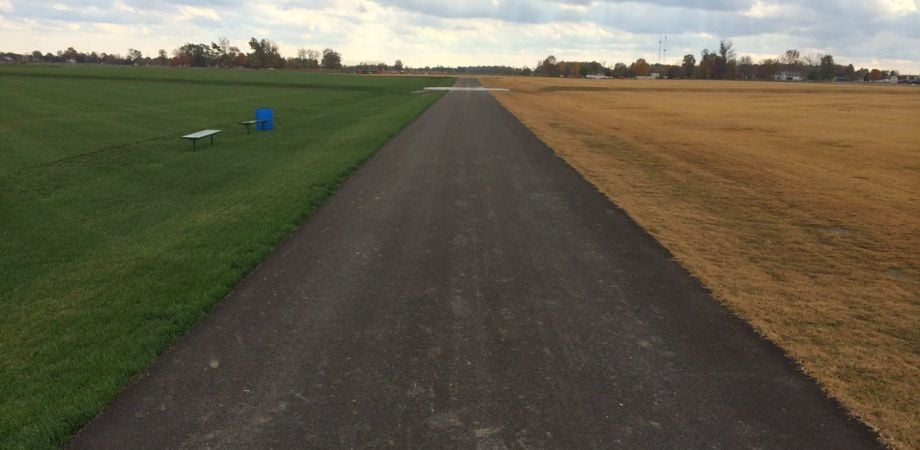
Stands of turf don’t enter dormancy in a uniform manner, so fields often exhibit a mix of green and brown turf in consistent patterns. Eventually, all the turf will go dormant and will be completely brown. Mixed fields with both warm- and cool-season grasses will remain patchy because cool-season grasses retain their color throughout the winter and do not go dormant.
Sometimes, when warm-season turf starts losing its color, field managers will assume that their turf is dead or stressed. This is a common misconception. Dormant turfgrass is still very much alive and will transition out of dormancy in the spring.
Protecting Your Fields With Growth Covers
Growth covers can extend the growing season if they are put down before the first frost. In addition to helping you maximize growth, a cover will protect your field from winter conditions and encourage a healthy green-up.
Growth tarps work by trapping heat and moisture in the soil and canopy, insulating your fields from the cold and allowing for additional growth. Since these tarps are semi-permeable, your fields will still receive the sunlight and air circulation they need.
It’s important to note that while growth tarps can be beneficial, they can increase the risk of disease development. This is because the warm temperatures under the tarps and a lack of growth make it difficult for the turf to fight off any diseases.
Preparing for Winter Dormancy Next Fall
Although winter dormancy is a natural process, there are a few steps you can take in the fall to maximize the health of your fields before it begins.
- Aerate during the growing season to alleviate soil compaction and allow oxygen, water, and nutrients to more easily reach the roots. This will help your fields become stronger and more resilient to winter conditions and spring stressors, such as weeds.
- Apply a fungicide before dormancy to control spring dead spot. Spring dead spot can appear after bermudagrass wakes up from dormancy in the spring, leaving unsightly holes in the playing surface.
- Apply fertilizer in the late fall to give your fields the nutrients they need for strong root growth and a healthy spring green-up. These fertilizers should be high in potassium and low in nitrogen.
Other Considerations for Dormant Fields
Try to avoid any unnecessary traffic during the winter to help minimize wear.
Using turfgrass paints during dormancy will darken the turf, allowing it to absorb more heat. This will help your fields emerge from dormancy quicker in the spring.
All of these steps and considerations can help make the transition into dormancy much easier for you and set your fields up for a healthy 2026.
To learn more about winter dormancy, reach out to your ATS rep today.