For lawn care operators in areas that receive heavy snowfall and experience prolonged winters, snow mold can be a threat. If left unchecked, it can lead to weakened turf and more callbacks in the spring.
What Is Snow Mold?
Snow mold is a term used to collectively describe three fungal diseases that often appear on turfgrass during the colder months. Gray snow mold (Typhula incarnata) and pink snow mold (Microdochium nivale) are the most common, while speckled snow mold (Typhula ishikariensis) is relatively rare.
Symptoms of Snow Mold
All three types of snow mold cause matted, straw-colored patches to appear on lawns, which become noticeable in the spring as the snow begins to melt. These patches range from eight inches to several feet in diameter and are often covered in a layer of mycelium, a fungus that appears similar to a spiderweb or melting snow. All three types of snow mold will weaken turf, making it more susceptible to stress, weeds, and other diseases in the spring.
Gray snow mold damages grass blades and appears when there is extended snow cover. This disease’s patches exhibit a grayish-white crust on the surface, hence the name.
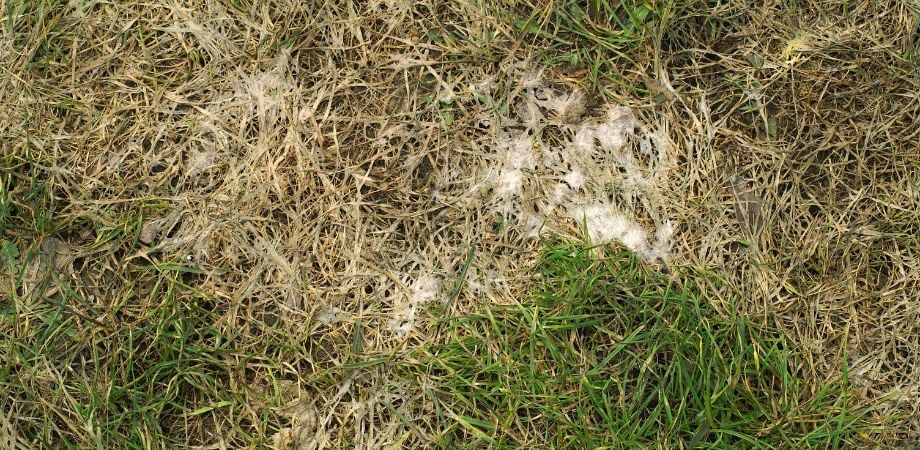
Pink snow mold targets the crowns and roots of turfgrass and, despite its name, doesn’t require snow cover to develop. Rather, pink snow mold can develop whenever conditions are cool and damp. Pink snow mold patches exhibit a whitish-pink hue.

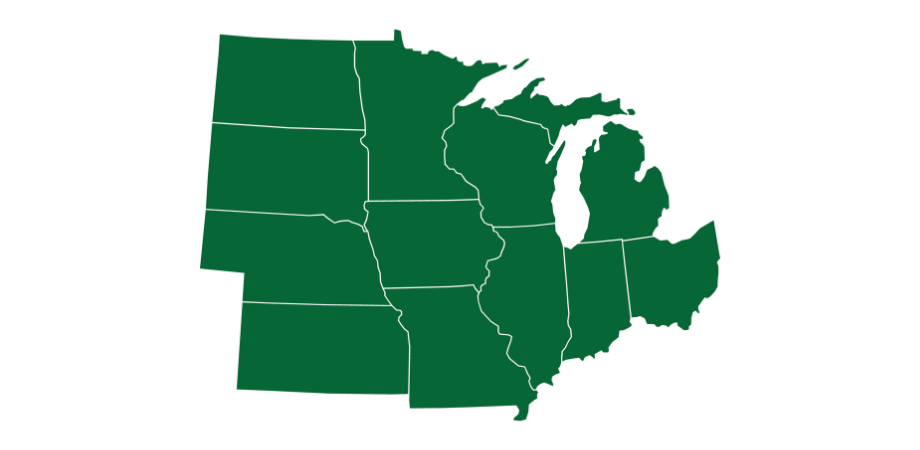
Speckled snow mold, like gray snow mold, affects grass blades and is caused by extended snow cover. This disease is rare, typically found only in the Great Lakes region and at high altitudes. It exhibits dark, speckled fungal structures within its patches.
How to Culturally Prevent Snow Mold
Snow mold tends to thrive on lawns with substantial thatch and leaf buildup. This organic material traps moisture, making it easier for the disease to develop. Removing leaves and dethatching before the snow begins to fly will reduce the risk of snow mold.
While some customers may prefer to remove leaves themselves, adding a mulching mower to your fleet will let you easily add leaf removal as an add-on service. When dethatching, make sure not to leave more than three quarters of an inch of thatch on the lawn.
When you mow, your final cut of the season should be lower than in-season cuts. Having shorter grass will help prevent moisture buildup.
If you’re fertilizing your customers’ lawns this fall, keep a close eye on nitrogen levels. Too much nitrogen will make the turf more susceptible to diseases like snow mold. A soil test will tell you how much nitrogen (among other nutrients) a customer’s lawn needs, which helps you avoid over-fertilization.
If your company offers snow removal in addition to lawn care services, this presents a unique opportunity to prevent snow mold. When plowing driveways and sidewalks, be sure not to pile snow too high in any one spot on the lawn. Smaller snow piles will melt much quicker than larger ones, giving snow mold less time to grow in the spring.
Preventing Snow Mold With Fungicides
In addition to cultural practices, preventative fungicide applications will give you an edge over snow mold. Plan to treat your customers’ lawns in late fall, before the first significant snowfall.
One standout preventative option is Pillar SC, a liquid suspension concentrate fungicide containing triticonazole (17.95%) and pyraclostrobin (15.8%). While liquid fungicides are often preferred for their ease of application, a granular fungicide like Zoxy-PG is also an excellent option, especially for use on newly established turf. Zoxy-PG contains azoxystrobin (0.31%) and propiconazole (0.75%).
Note: If you plan to use liquid products, tank-mixing a surfactant can help extend the efficacy of your application.
For more information about snow mold prevention, reach out to your ATS rep today. If you’re new to ATS, get connected with a rep.