Fluctuating temperatures, extreme winds, and salt exposure can make winter a challenging season for trees and shrubs. There are a few steps you can take (and products you can use) to prevent winter injury on your customers’ trees and shrubs.
Understanding Winter Injury
Winter injury can be caused by several different factors:
- Rapid temperature fluctuations can shock and injure plants that are not yet acclimated to the cold
- Desiccation causes leaves to lose moisture, which can lead to dry, brittle foliage and plant death
- Salt damages trees and plants when it infiltrates the soil, disrupting soil structure and reducing nutrient availability. Salt spray also directly damages leaf tissue
Prevent Winter Desiccation With Leafshield
Leafshield is an anti-desiccant that creates a waxy, water-repellent barrier between your customers’ foliage and harsh winds, rapid temperature fluctuations, and salt. This coating prevents the leaves from losing water through transpiration. Leafshield is especially beneficial to evergreen varieties like boxwood, holly, and rhododendron that are often damaged in the winter.
Application Guidelines for Leafshield
Leafshield should be applied at a rate of two fluid ounces per thousand square feet with a spray volume of one to two gallons per thousand square feet on turf. For ornamental plants, trees, and shrubs, mix eight fluid ounces per gallon of water and spray onto the topside and underside of leaves to the point of drip.
- Apply Leafshield when temperatures are above 40°F
- Wait at least 24 hours after a rain event or frost before applying Leafshield
- Leafshield is tank-mix compatible with contact snow mold fungicides, but should not be mixed with PCNB or other systemic fungicides
Mitigate Salt Damage by Applying Gypsum
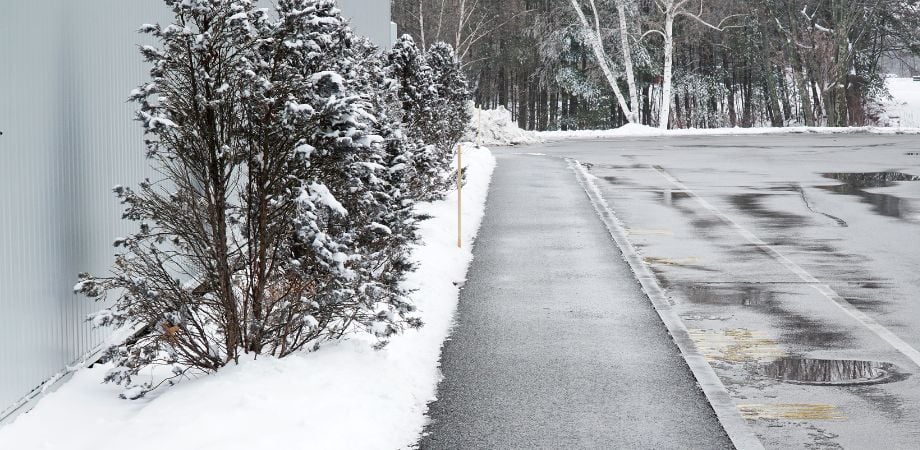
Trees and shrubs can be injured when ice melt products accumulate in the soil. Increased sodium and chloride levels disrupt the soil’s structure, nutrient availability, and hydration. This can reduce the density of trees and shrubs, cause them to lose color, and, in some cases, kill them.
Applying gypsum near trees and shrubs adds calcium (a major component of gypsum) to the soil. Calcium replaces the sodium in the soil, allowing it to leach lower, reducing the risk of damage.
Gypsum for Winter Protection
To prevent salt damage on shrubs and trees, apply a fast-activating gypsum like Super Cal SO4 at a rate of 10 pounds per thousand square feet in areas near roads, sidewalks, and parking lots in the late fall or early winter. This preventative measure keeps sodium and chloride from building up in the soil and protects nearby plants from salt exposure.
Gypsum for Spring Recovery
After the snow melts, another application of Super Cal SO4 is recommended at the same rate to continue flushing out any residual salt, which will help the soil regain its structure and give roots better access to water and nutrients.
Anti-desiccant products and gypsum can help you keep your customers’ trees and shrubs protected this winter. For more tips, products, and tailored advice, reach out to your ATS rep.