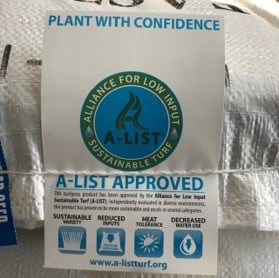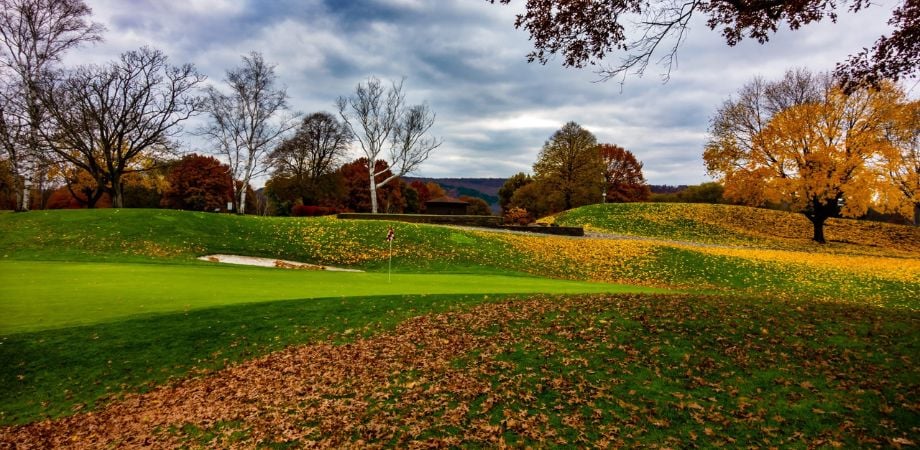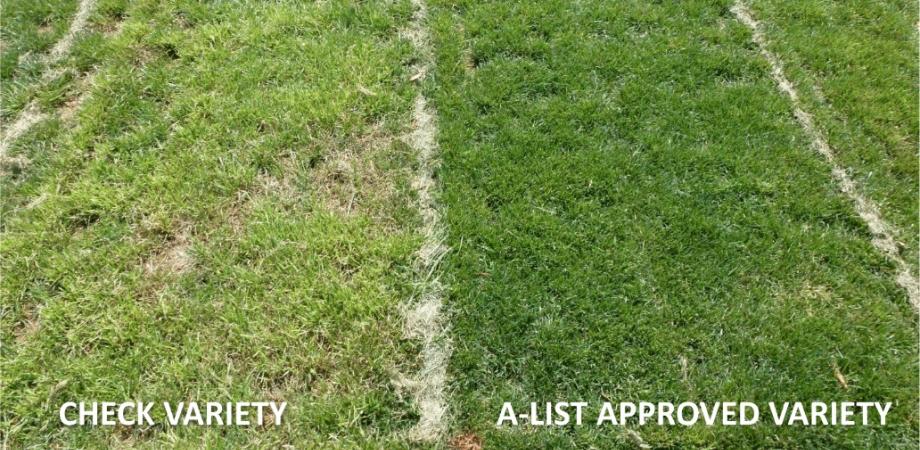
For professional landscapers and sports field managers, delivering high-quality turf while managing costs and environmental impact is an ongoing challenge. That’s where A-LIST (Alliance for Low Input Sustainable Turf) varieties come in. These turfgrasses are rigorously tested and proven to thrive under low-input conditions—meaning less water, fewer fertilizers, and minimal pesticide applications—without sacrificing performance or aesthetics.
A-LIST turf varieties are ideal for golf courses, sports fields, parks, campuses, and commercial landscapes where performance and appearance are non-negotiable, but sustainability and budget constraints also matter. These grasses are selected through independent, multi-year trials at universities around the U.S. They are screened for their drought tolerance, disease resistance, and low maintenance requirements, making them a smart and sustainable choice for modern turf professionals. A few of the many cooperators include Rutgers University, Purdue University, and Iowa State University. All A-LIST approved cultivars must be entered into the NTEP (National Turfgrass Evaluation Program) and must rank in the top 50% of their respective species based on turf quality.
Water Efficiency Without Compromise
One of the top concerns for sports field managers and landscapers today is water use. Whether due to regional drought conditions, regulatory restrictions, or budget limits, cutting irrigation costs has become essential. A-LIST grasses, such as improved tall fescues, fine fescues, and Kentucky bluegrasses, offer exceptional drought tolerance and can maintain playable, green surfaces with significantly less water than non-A-LIST traditional turf types.
For sports fields, this means consistent playability and visual appeal throughout the season, even during dry periods, without the need for constant irrigation. For landscapers, it means delivering lush, resilient lawns and landscapes that keep clients satisfied while staying within water budgets.
Reduced Inputs, Lower Costs
A-LIST certified varieties are also bred for enhanced resistance to common pests and turf diseases. This reduces reliance on chemical treatments and lowers the overall cost of maintenance. Less need for fungicides, herbicides, and insecticides translates to fewer labor hours, fewer product purchases, and fewer compliance issues related to pesticide use.
For large properties like sports complexes, schools, or commercial landscapes, these savings can add up quickly while also reducing the environmental footprint of your operation.
Proven Performance for Professionals
A-LIST certification isn’t just marketing—it’s backed by science. Turf varieties must undergo extensive testing under real-world, low-input conditions across multiple geographic regions before earning the A-LIST label. This ensures that the grasses you select will perform reliably in your specific climate and under your management practices.
For field managers who demand high wear tolerance, many A-LIST varieties provide outstanding traffic resistance and quick recovery, making them suitable for high-use areas like golf course fairways, soccer fields, baseball diamonds, and multipurpose athletic grounds.
Meeting Client and Community Expectations
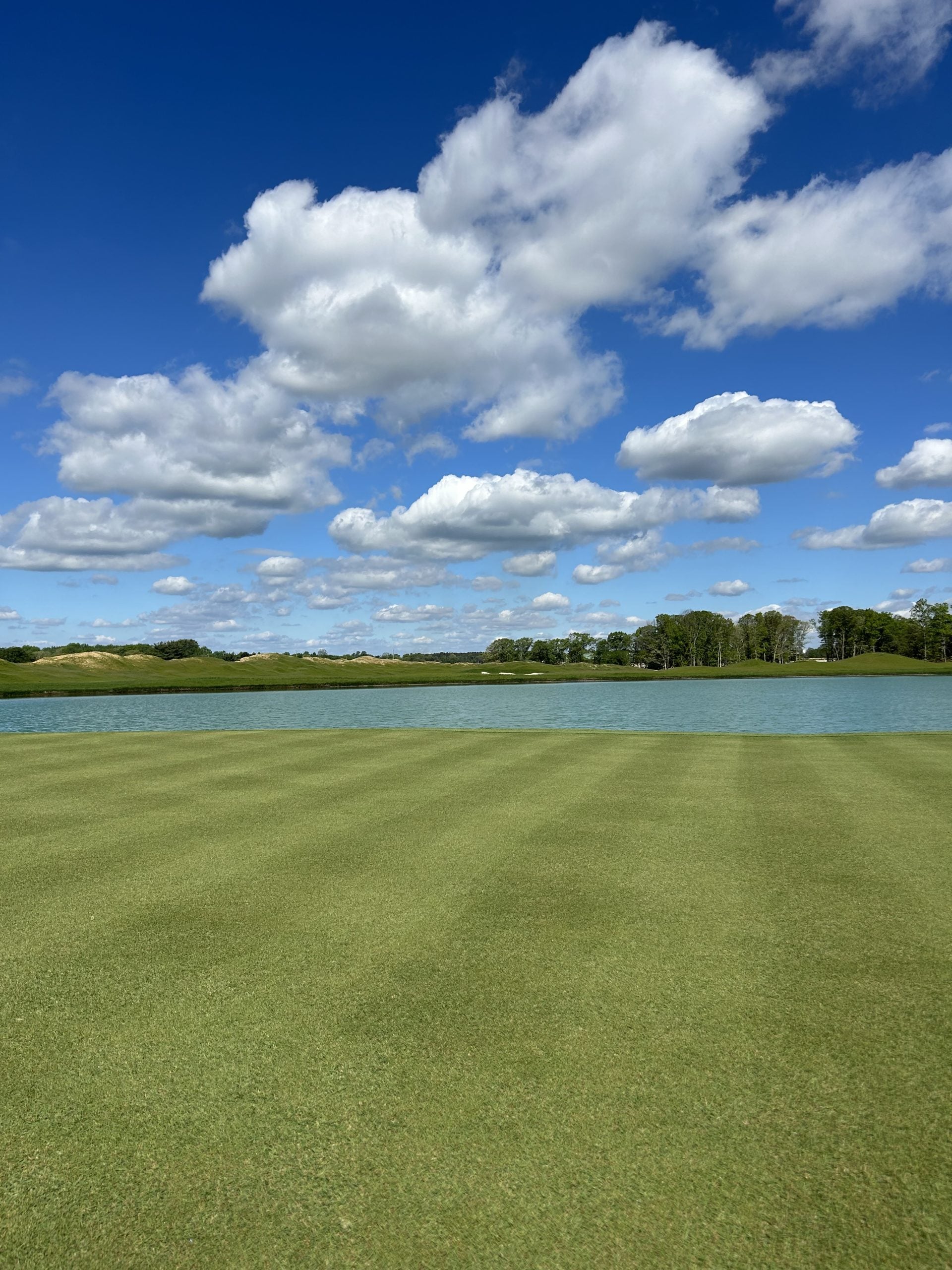
Today’s clients—whether municipalities, schools, or environmentally conscious property owners—are increasingly interested in sustainable practices and high-quality products. By using A-LIST turf, you can meet these expectations while also reducing long-term costs and maintenance demands.
In short, A-LIST turf varieties offer professional-grade performance with a lower environmental and financial cost. For landscapers and sports field managers who want reliable, sustainable, and cost-effective turf solutions, A-LIST certified grasses are a clear choice for the future of turf management.
Blog authored by Jake Metzger, Landmark Seed Company