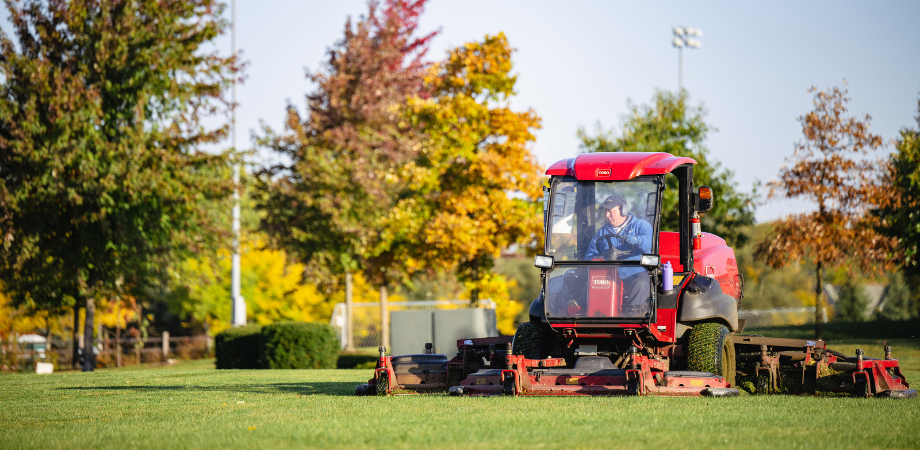
Ah, summer, the season of cookouts, sunscreen, and turf managers nervously eyeing 10-day forecasts like Wall Street traders watching the market. When temps soar and wear pressure peaks, sports turf and golf course managers face their annual gauntlet: keeping grass alive, playable, and looking sharp under relentless heat and traffic. It’s not easy, but with smart planning and the right tools (and maybe a little muttered swearing), it’s manageable.
The first key to success? Start with the right turf. Heat and wear stress don’t play fair, so stack the deck. Cool-season grasses are inherently stressed in summer, but not all are created equal. Some varieties have been bred with better heat tolerance and traffic recovery baked right in, like those found in Barenbrug’s line-up. HGT Kentucky Bluegrass, RTF, and RPR are all examples of improved selections that can take a beating and bounce back faster than the competition.
HGT, for instance, is no ordinary Kentucky Bluegrass. It shrugs off cleat traffic and recovers like it’s training for a comeback tour. RTF spreads via rhizomes (yes, fescue with rhizomes), creating a self-repairing network that laughs in the face of summer thinning. And RPR? It regenerates from traffic-induced damage like it’s got something to prove. Use them strategically, especially in high-wear zones, and you’ll spend less time chasing recovery.
Of course, even the best turf can’t survive summer without support. Irrigation management is critical; too much water invites disease, too little and you’re growing crispy grass salad. Watch your timing and aim for deep, infrequent cycles to encourage deeper roots. Mowing heights should be adjusted upward slightly during peak heat to reduce stress, and rolling can help maintain smooth surfaces without constant mowing pressure.
Fertility also deserves a summer tune-up. Back off aggressive nitrogen until things cool down. Light spoon-feeding can keep things green without pushing unnecessary growth. Add in a foliar potassium app or a wetting agent where needed. With those adjustments, you’ll be speaking fluent turf manager in no time.
Lastly, monitor wear patterns. Whether it’s forward tees, goal mouths, or the practice field your football coach swears isn’t getting overused (spoiler: it is), manage traffic proactively. Rotate play, rest areas, and if you’re feeling adventurous, say no when someone asks to use the 18th fairway as a wedding venue.
In the turf world, summer’s a battle, but it’s one you can win. Choose smart genetics, tweak your practices, and don’t forget to hydrate—both you and the turf.
Blog authored by our friends at Barenbrug.