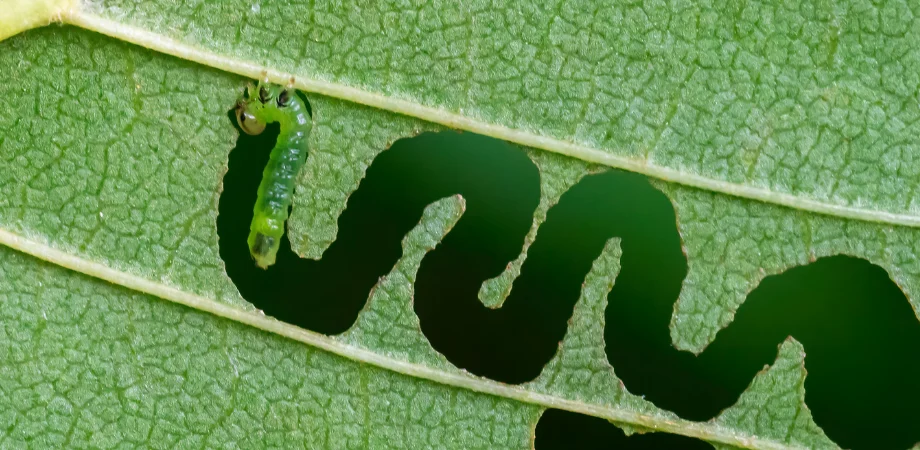
The spotted lanternfly, an invasive planthopper, was first detected in the United States in 2014. It has spread to 18 states in the years since. This relatively new invasive insect poses a threat to a wide variety of plants, including fruit trees, grapevines, and hardwoods. The spotted lanternfly feeds on the sap of the trees and plants it targets, weakening them and making them more susceptible to disease and environmental stress.
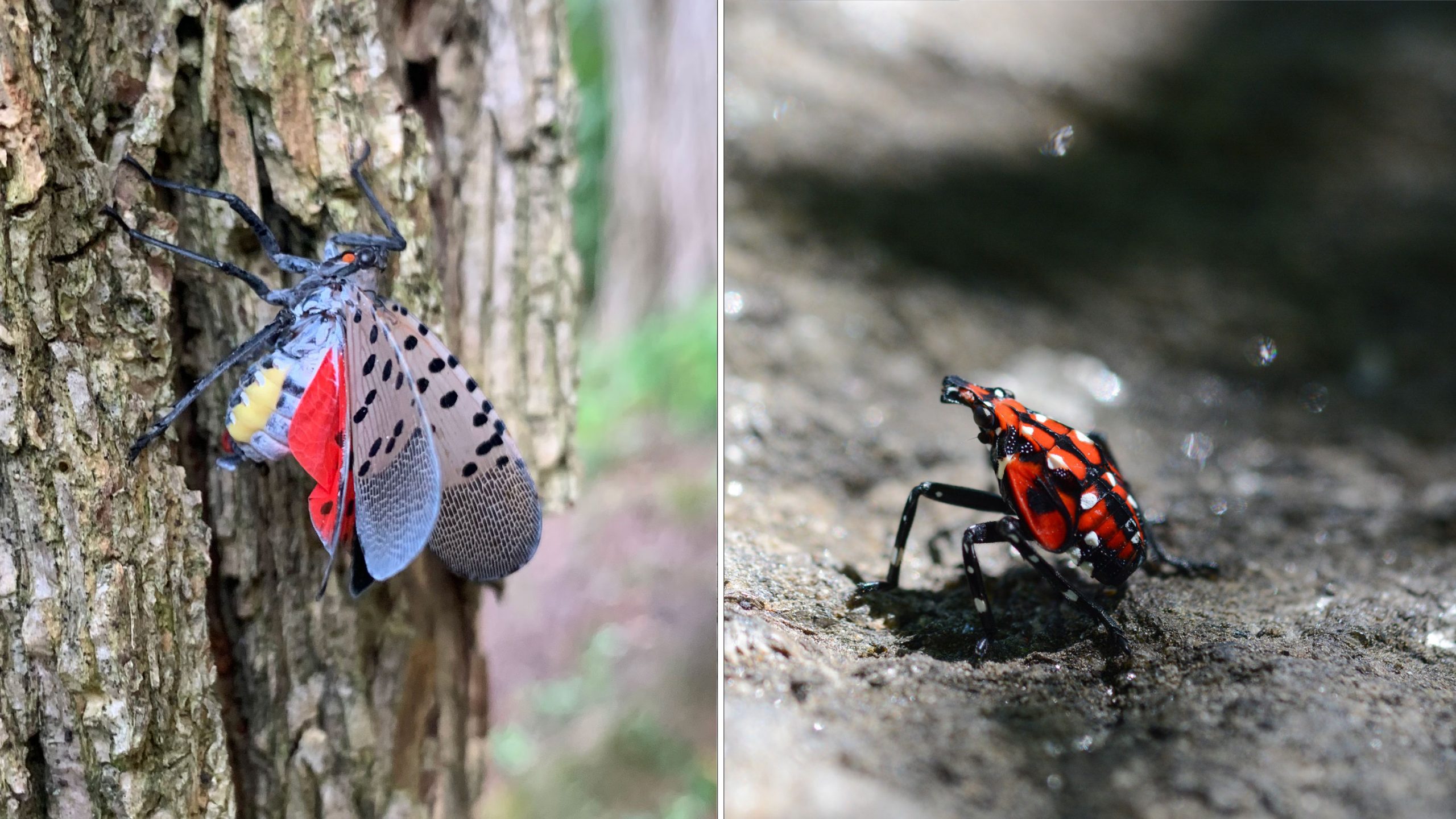
How To Spot Spotted Lanternflies
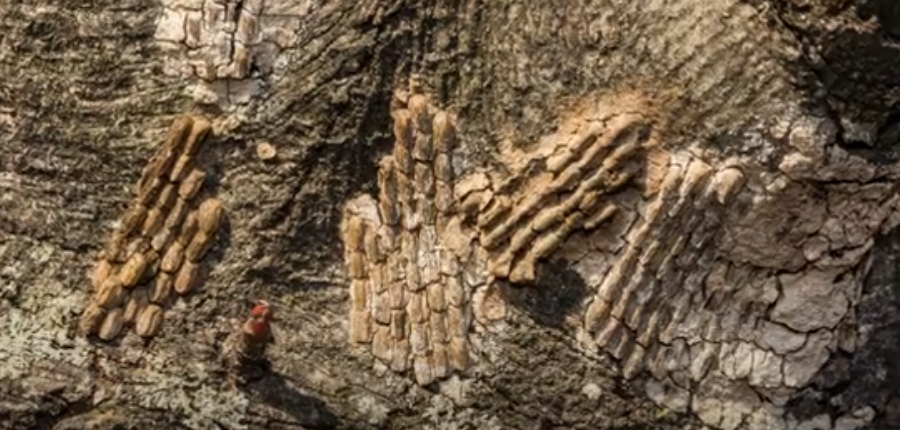
Nymphs are black with white spots (first three instars) and become red in areas in their fourth and final instar, while adults have distinctive black and white spotted wings and bright red hindwings. Signs of an infestation include the presence of honeydew, sooty mold, and egg masses on tree trunks and nearly any other flat surface. These egg masses are laid in the fall and hatch in the spring. They’re laid in column-like formations, as seen below, making them easy to spot.
Goodbye, Lanternfly
Control methods vary depending on the insect’s lifecycle stage. You can scrape off or crush egg masses quite easily. You can also apply TriTek oil to egg masses in February and March; it won’t be 100% effective, but it will help.
After the eggs hatch, nymphs can be either crushed or controlled with a contact insecticide that contains a synthetic pyrethroid, like bifenthrin or Scion, the latter of which has a longer residual. Nymphs move around more often than their adult counterparts, making a contact insecticide a good option during this more active stage.
For a ‘one size fits all’ approach, a dinotefuran product like Safari is your best option. Safari is a versatile, systemic product that can be applied as a trunk injection, trunk spray, or soil drench. It eliminates all stages of spotted lanternflies feeding on trees that have been treated.
Be sure to report spotted lanternfly sightings, along with any invasive species activity, to your state’s department of natural resources.
Reach out to your ATS rep, local extension agency, or land-grant institution for more information and advice on spotted lanternflies. If you’re new to ATS or need a rep, use our rep finder tool to get connected.