No sports field manager wants their first practice or game of the spring to be ruined by snow mold. Without preventative applications, however, snow mold can pose a threat to your turf’s health and playability. That’s why prevention is important, especially in regions that experience rough winters.
What Is Snow Mold?
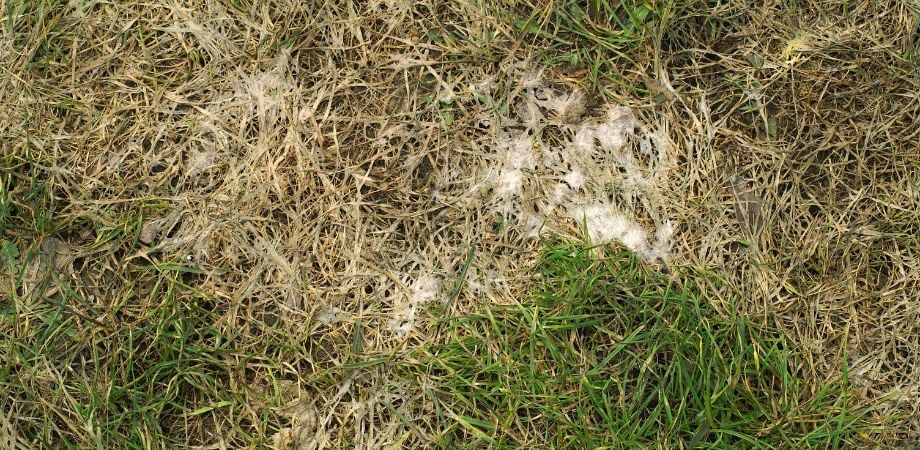
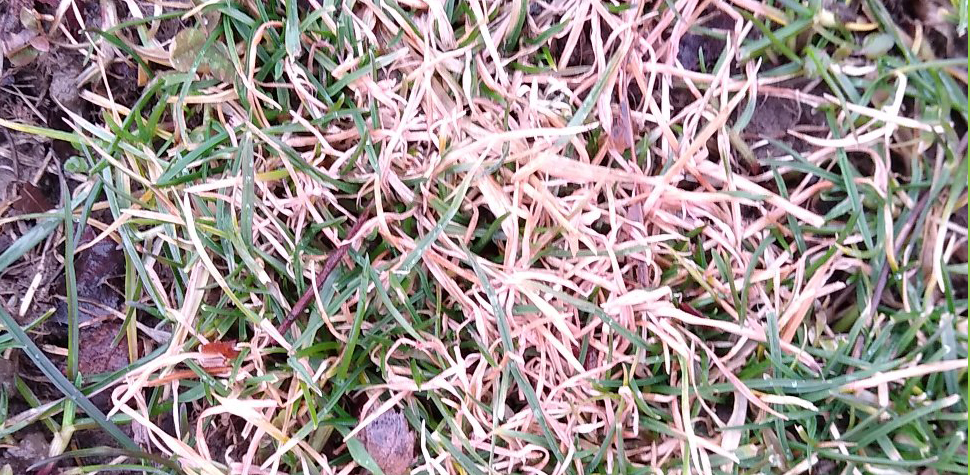
Snow mold is a fungal disease that targets turfgrass in the late fall and winter, especially after extended snow cover. Two types of snow mold commonly appear on grass: gray snow mold (Typhula incarnata) and pink snow mold (Microdochium nivale).
These two diseases, while similar, have some major differences. Gray snow mold primarily damages grass blades, while pink snow mold is more aggressive, attacking the turf’s crowns and roots. Both snow mold diseases also require different conditions to thrive. Gray snow mold needs prolonged snow cover, while pink snow mold can develop whenever conditions are cool and damp.
Why Snow Mold Is a Major Concern for Sports Turf Managers
In the spring, untreated snow mold can weaken your turf and cause small, discolored patches to appear. This threatens your field’s health since weakened turf is more susceptible to weeds, stress, and other diseases. Plus, the appearance and playability of your field can be negatively impacted, which is especially problematic for fields that need to be game-ready in early spring.
Snow Mold Prevention: Key Strategies for Fall and Winter
Preventing snow mold requires a combination of cultural practices and chemical treatments.
Conduct a soil test. Soil testing helps identify nutrient deficiencies and potential pH issues. Addressing these issues before winter arrives can strengthen your turf, reducing the risk of snow mold.
Fertilize and aerate. Fertilize your field, but avoid applying fertilizers with a high amount of nitrogen, as this can increase disease pressure. Aeration will enhance nutrient uptake, relieve compaction, and improve resilience.
Apply fungicides. Snow mold fungicides will help protect your sports fields, killing the causal pathogens before they have time to harm your turf.
The Role of PCNB Fungicides in Snow Mold Prevention
Pentachloronitrobenzene, commonly called PCNB, is one of the most effective active ingredients for preventing snow mold on turfgrass. PCNB is purpose-built to target pink and gray snow mold and has been trusted for over 50 years.
Turfcide 400 for Snow Mold Control
For sports turf managers looking for affordable, reliable snow mold protection, Turfcide 400 is an excellent option. Powered by PCNB (40%), Turfcide 400 is a contact fungicide with a proven history of controlling all three major types of snow mold—pink, gray, and speckled.
It can be tank-mixed with other snow mold fungicides, including propiconazole and chlorothalonil, to make the application even stronger. Although the label recommends applying 12 to 16 fluid ounces per thousand square feet, many sports turf managers opt for a lower rate, typically around five fluid ounces per thousand square feet.
Apply the product when conditions are wet, and the air temperature is below 60°F. Turfcide 400 must be applied before the first snowfall and watered in within 72 hours of application. See the Turfcide 400 label for tank-mix instructions and detailed application guidelines.
Best Practices for Snow Mold Treatment Applications
- Consider Multiple Active Ingredients: To combat resistance, use a product with multiple active ingredients like Interface Stressgard alongside Turfcide 400
- Tank-Mix a Surfactant: Adding a surfactant to your application will extend the longevity of fungicides during the winter
- Tank-Mix a Pigment: A pigment like Optimizer Green Shade will give your field a vibrant color and help warm the turf in the spring, promoting an earlier green-up
Protecting Young Turf from Snow Mold
Newly established turf requires special attention. After applying your snow mold fungicide on young turf, add a granular product like Turfcide 10G or Zoxy-PG, and then cover your field for the winter. These measures will help extend the fungicides’ longevity and provide an extra layer of protection from snow cover.
Get Rid of Snow Mold Before It Becomes a Problem
Start your snow mold treatment on time, and you’ll be rewarded with a healthy, disease-free field that’s ready for play. To learn more about our snow mold products and to get expert advice, reach out to your ATS rep. If you’re new to ATS, get connected with a rep in seconds.