
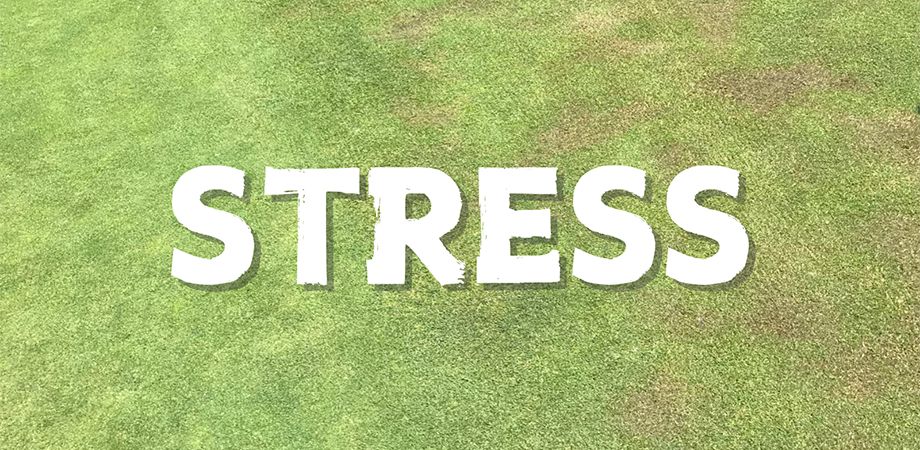
Maintaining healthy turfgrass isn’t easy, especially when environmental conditions are unfavorable and/or living organisms decide to pay a visit. The scientific terms for these factors are abiotic stressors and biotic stressors, respectively. Every stressor can be grouped into one of these two categories.
What Is Abiotic Stress?
Abiotic stress in plants originates from environmental factors. These include:
- Extreme heat and drought, which can lead to thinning, discoloration, and even death.
- Excessive water, which can overwhelm the roots and inhibit nutrient uptake.
- Nutrient deficiencies that weaken turf and cause it to lose density.
What Is Biotic Stress?
Biotic stress in plants is caused by living organisms, such as:
- Insects like grubs and chinchbugs, which damage roots and other parts of plants.
- Diseases like dollar spot and brown patch that appear on susceptible turf.
- Weeds, which compete with turfgrass for nutrients, sunlight, and water.
How to Manage Abiotic Stress
While it’s not possible to control the weather, the right cultural practices will give turf the best chance to survive environmental stress.
Water Management: During dry periods, irrigate deeply but infrequently to encourage root development. Avoid overwatering since it can harm roots and increase the chance of turf diseases appearing. When there’s standing water on the surface, soil surfactants can help move it down into the root zone.
Proper Nutrition: Use a soil test to find and address nutrient deficiencies. Products enriched with amino acids, like those offered by Foliar-Pak, can enhance stress tolerance and promote recovery.
Aeration and Mowing: Aerate to alleviate soil compaction and improve root growth. It’s also a good idea to raise mowing heights during periods of high stress when applicable since short turf is more susceptible to damage.
Controlling Biotic Stress
When it comes to controlling living organisms, you’ll want to use a pesticide. These products should be used in conjunction with cultural practices like adequate watering and fertilization.
Insecticides: Use preventative insecticides if you have a good idea of what insect(s) you may encounter in the area you’re treating. These products should be applied before the insects appear. You can also use curative insecticides to control existing pests.
Fungicides: Preventative fungicides will form a protective barrier on the surface of the turf, and should be applied before symptoms appear to prevent diseases from taking hold. Curative fungicides, in contrast, will stop turf diseases in their tracks but cannot help damaged areas.
Herbicides: Pre-emergent herbicides prevent weed seeds from germinating, while post-emergent herbicides control existing weeds. Use pre-emergents to eliminate weeds before they become a problem, and use post-emergents to combat breakthroughs.
The right cultural practices and products can help you keep turf healthy, even under stressful conditions. Get connected with an ATS rep near you for in-depth advice and personalized product recommendations.


