
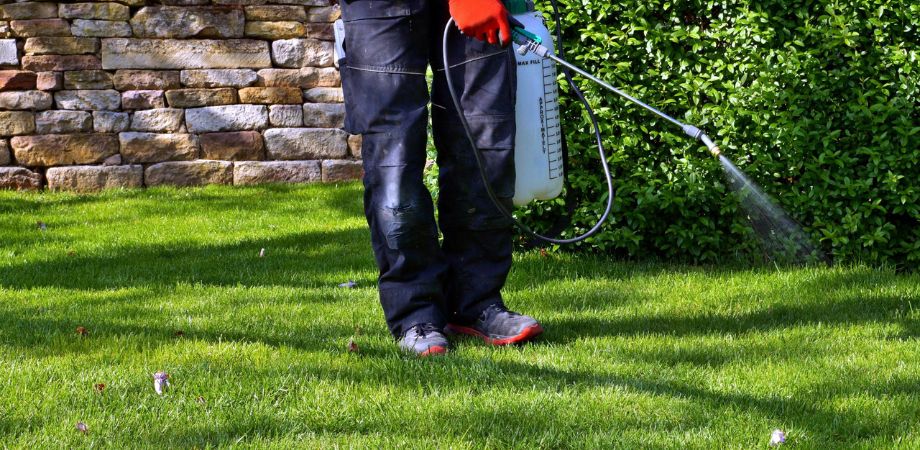
Whether you’re responsible for the health of golf courses, sports fields, or customers’ lawns, insecticides play a key role in keeping turfgrass, ornamentals, and people safe from insects.
What Are Insecticides?
Insecticides are pesticides that are specifically formulated to control certain species of insects. They may kill insects outright, repel them, or inhibit reproductive functions to reduce their populations.
Why Are Insecticides Important?
Insecticides protect turfgrass, ornamentals, and trees from insect damage.
On turf, pests like grubs and annual bluegrass weevils (ABW) make meals out of the turf’s roots, shoots, or crowns, weakening—and sometimes killing—the grass. On ornamentals and trees, certain flying insects and beetles consume foliage and bore into the wood, causing injury or death.
Protecting turfgrass, ornamentals, and trees is important, and so is protecting people. Insects like ticks, mosquitoes, and flies are nuisances and often carry dangerous diseases. Controlling them keeps people safe and allows them to enjoy their time outdoors without anything stinging/biting them or potentially making them ill.
How Do Insecticides Work?
Insecticides disrupt an insect’s biological processes with the goal of killing or repelling them. Insecticides generally fall into three primary categories based on the method by which the product enters the insect.
- Contact insecticides kill or repel insects through direct contact with their exoskeleton or other body parts.
- Systemic insecticides are absorbed by plants and are translocated through their vascular systems to combat pests that feed on them.
- Ingestion insecticides are consumed by the target and are used to control chewing and sap-feeding insects.
Understanding Insecticide Active Ingredients
The active ingredient(s) in an insecticide determine its suitability for controlling specific pests. Choosing the right active ingredient requires an understanding of what insects it controls while determining what risks the product may pose to non-target organisms and the environment you’re treating.
Synthetic Chemicals
Synthetic chemicals can offer broad-spectrum control and fast action, especially in high pest pressure situations. Some of the different synthetic chemical classes include pyrethroids, diamides, and neonicotinoids. Each of the following active ingredients belongs to one of these chemical classes.
- Bifenthrin is a pyrethroid insecticide commonly used against surface-dwelling insects. It is both a contact and ingestion insecticide. Avoid applying bifenthrin products to flower blooms, as this can increase the risk of accidental exposure to pollinators.
- Imidacloprid is a systemic neonicotinoid that is particularly effective against root-feeding insects like grubs. It is absorbed into the plant and kills insects when they ingest the plant material.
- Chlorantraniliprole is a diamide insecticide that controls chewing pests like caterpillars. It offers long residual control with minimal environmental impact.
Botanical Ingredients
Botanical insecticides contain natural ingredients like plant oils. These eco-friendly options don’t bioaccumulate, reducing the risk of harm to beneficial insects.
A few standout botanical options are EcoVia EC and EcoVia MT. They contain ingredients with different modes of action that can break through resistance and offer broad-spectrum control. They are especially effective when combined with pyrethroid products.
Insect Growth Regulators
Insect growth regulators (IGRs) disrupt the molting or reproduction cycles of insects, dwindling their populations down over time. A common, effective IGR active ingredient is pyriproxyfen.
Choosing the Right Insecticide
First, you’ll want to identify your target pest(s). If you have a good idea of what you’ll be dealing with, preventative applications are the best choice. For curative control, you can set traps and/or visually inspect your turf, shrubs, and trees to identify the type of insect that’s harming them.
Some products will be better than others, depending on the task at hand. For example, if you’re dealing with bark beetles and other wood-boring insects, a dinotefuran product like Safari will penetrate the bark of trees, controlling them quickly and easily. If you need to control grubs, an imidacloprid insecticide like Merit will work well. Both of these products are neonicotinoids and, therefore, systemic.
Once you’ve selected a product, you’ll want to understand the life cycle of the insect(s) you’re looking to control. This will guide your application timeline. Aphids can be controlled once viburnum plants start to bloom, while preventative grub control applications should begin in the early summer.
Best Practices for Insecticide Use
Once you’ve selected an insecticide, be sure to document what pests you’re controlling so you’re prepared for them next year. Also, follow the label instructions to ensure you’re applying the product at the correct rate.
In addition to using insecticides, cultural practices like aeration and irrigation during the growing season will help you maintain healthy turf. Healthy turf will be more resistant to infestations.
It’s also important to rotate insecticides to prevent resistance. Ensuring your products have different modes of action will prevent insects from getting too familiar with them and building up a tolerance.
To learn more about insecticides and pest control in general, check out our blog and reach out to an ATS rep today for tailored advice.


