

Winter is a great time to check your customers’ woody ornamentals for insect issues. The absence of leaves makes it easier to inspect trees and shrubs for hidden insect eggs, larvae, nymphs, or overwintering adults. One way to help manage these very small or unseen problems is to make a dormant oil application(s) as winter draws to a close.
Understanding Dormant Oil
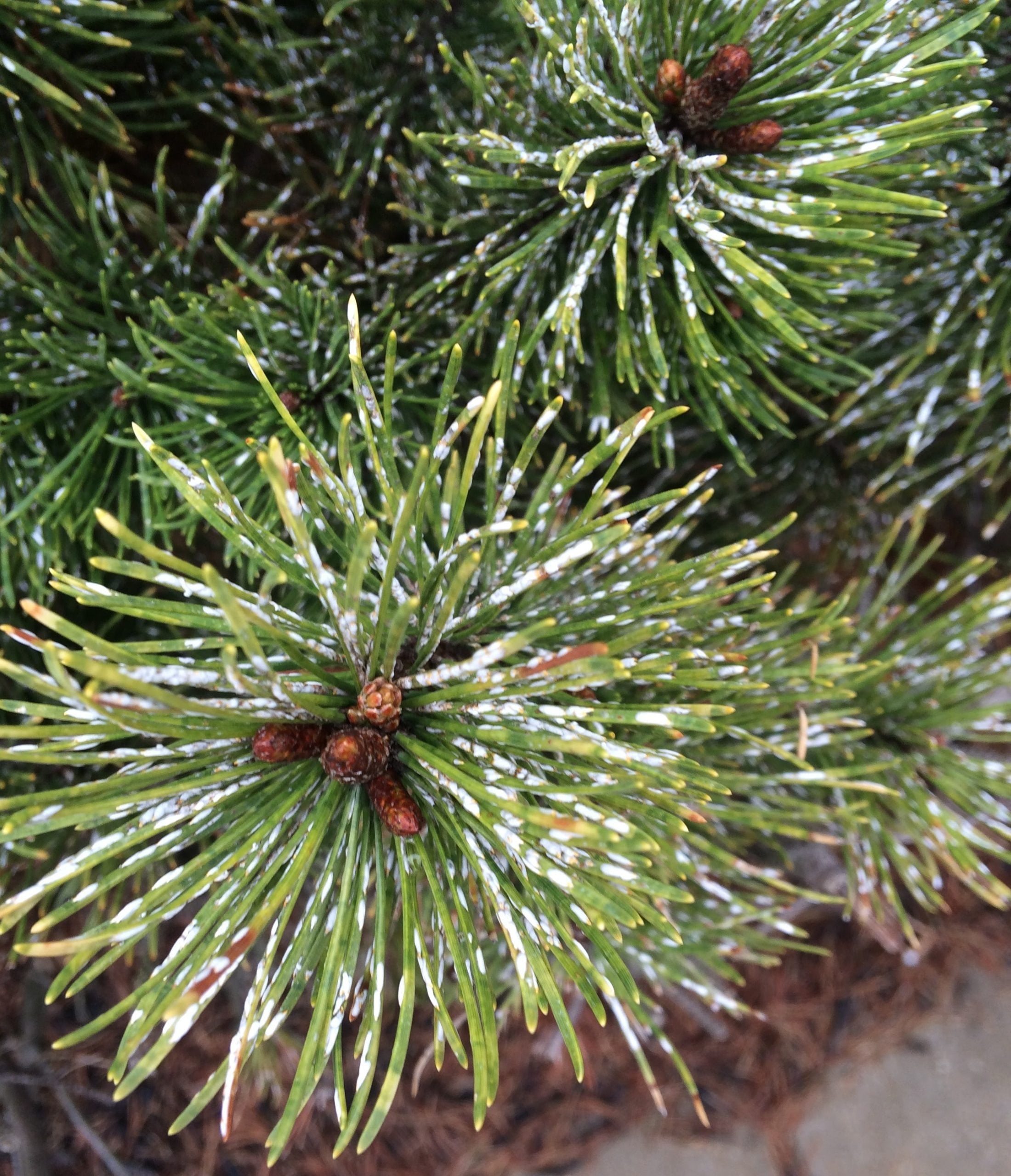
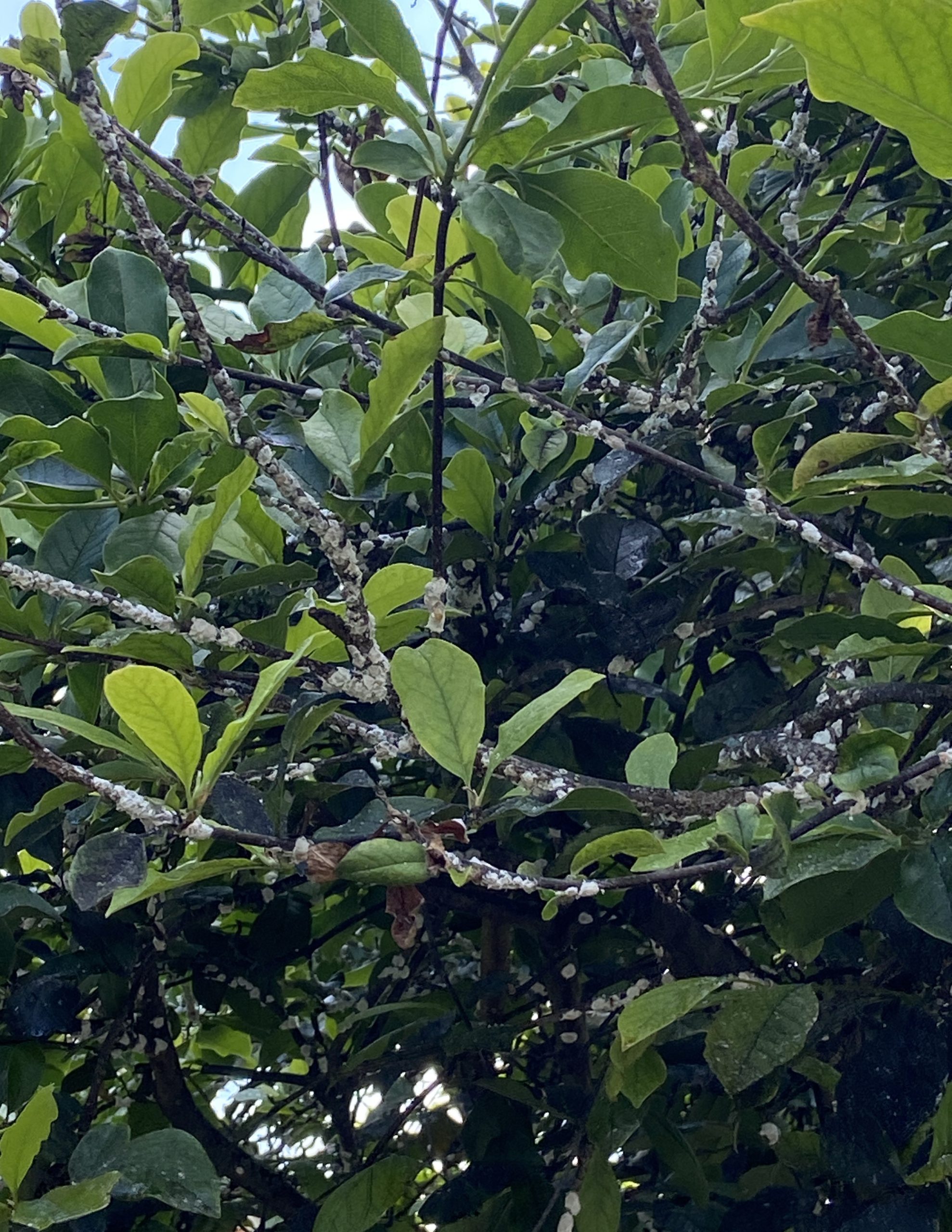
Dormant oils are petroleum-based insecticides that you can apply to trees and shrubs to fight insects before the growing season starts. These oils help manage overwintering insect eggs, scale (both hard and soft), mites, leaf miners, eriophyid mites, and aphids. They can also aid in reducing powdery mildew. If mixed with a copper fungicide like Kalmor, dormant oil applications can reduce a large range of other common diseases (such as apple scab and certain leaf spots). Dormant oils are contact insecticides (protectants) and typically control insects through suffocation, feeding disruption, or metabolism disruption. When using contact insecticides, thorough plant coverage is essential on both the upper and lower surfaces of the plant.
Many horticultural oils can be used as a dormant or all-season oil by changing application timing and rates according to their labels. This means that the same oil at a higher label rate can qualify as a dormant oil application when applied to ornamentals in late fall after leaf drop or during the winter. The same oil at a lower rate can be applied to ornamentals throughout the growing season.
When and How to Apply Dormant Oil
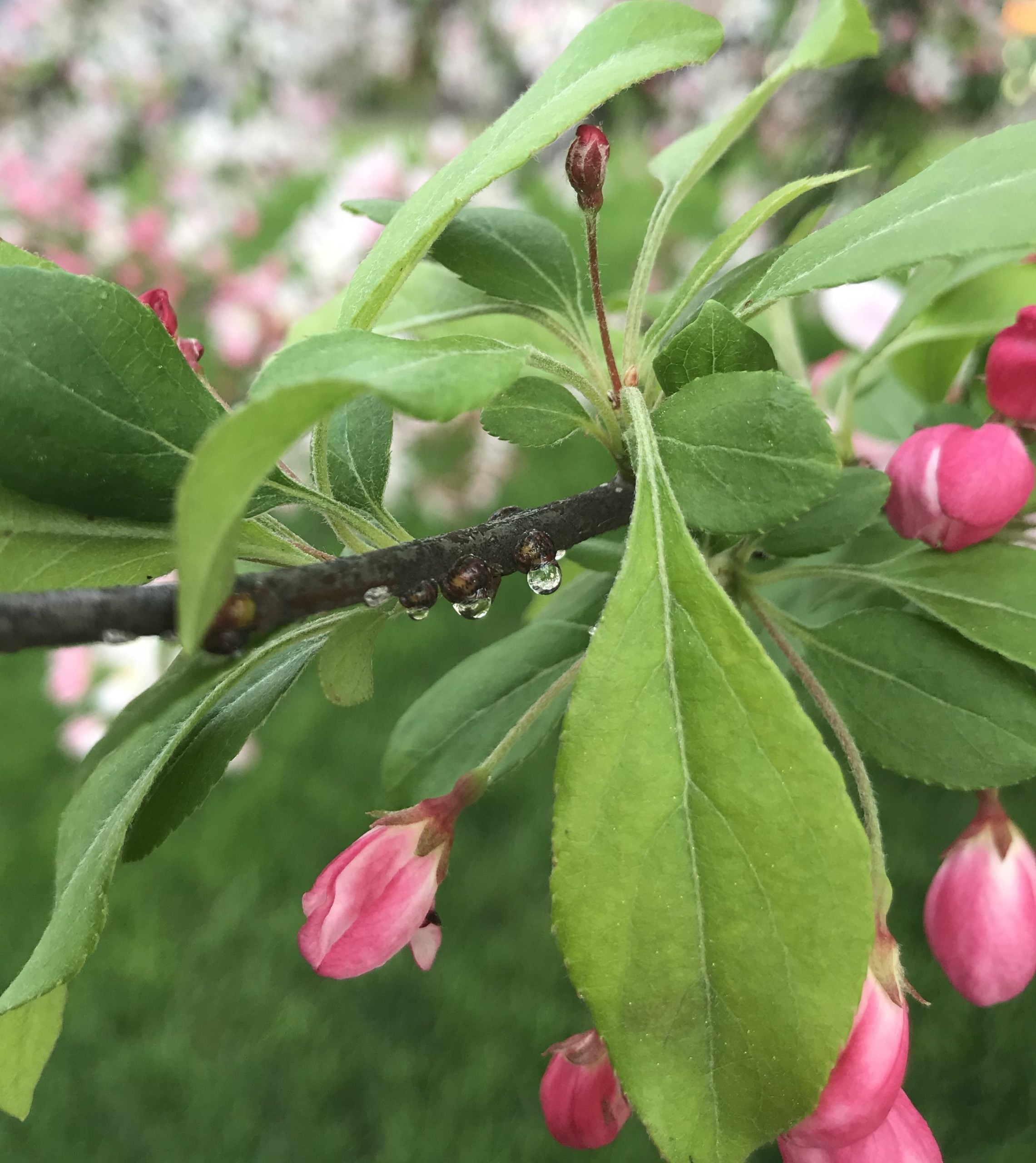
For a dormant application to be effective during late winter, temperatures must be between 40°F and 70°F for at least 24 hours. Optimal conditions are partially sunny, dry, and wind speeds must be under 15 miles per hour. The late morning to early afternoon will provide the best chance for these conditions and enough drying time. Applications should be made before the bud swell of flowers or leaves, and can be done 21 to 28 days apart.
Dormant oils should not be applied to drought-stressed plants or thin-barked plants such as Japanese, red, and sugar maple, redbud, beech, as well as evergreens with waxy blooms, such as blue juniper and blue spruce. Oil applications may remove the blue coloring on juniper and spruce needles. Use caution when applying to eastern white pine, yew, cedar, and walnut. New transplants can be susceptible to phytotoxicity in the first year due to transplant stresses, so a reduced rate is recommended. When tank mixing with other products, do not mix any liquid fertilizers or products containing sulfur with oils. Too late or too heavy of an application can damage developing spring flowers and leaf buds.
Recommendations for Oil Use
Dormant oil applications are especially recommended for those treating properties with a history of mite and scale issues or those with fruit tree production. Once the growing season arrives, I prefer using systemic insecticides like Safari (dinotefuran) or imidacloprid products in addition to horticultural oils. This provides a dual approach to battling scale. Advanced Turf Solutions offers a great all-season horticultural oil called Tritek, which is OMRI-listed. It has a smaller droplet size than most conventional oils and is compatible with many fungicides and insecticides. When using this product as a horticultural oil during the growing season, applications can be made in temperatures up to 90°F.
Dormant oil applications are an effective way to address overwintering pests and protect ornamentals from insects well into the spring. Reach out to your ATS rep for personalized insect and disease management advice and product suggestions. If you’re new to ATS or need a rep, get connected here.


