Several of my customers have reported seeing aphids on the residential lawns they treat. This is a highly unusual situation.
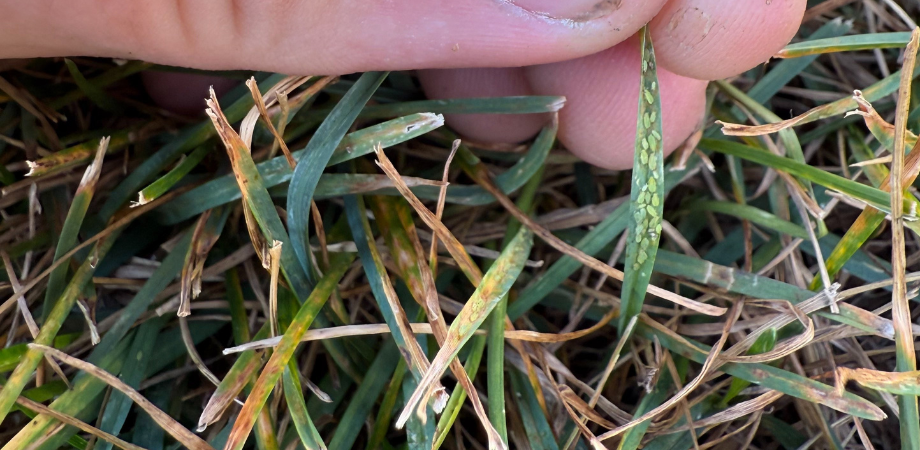
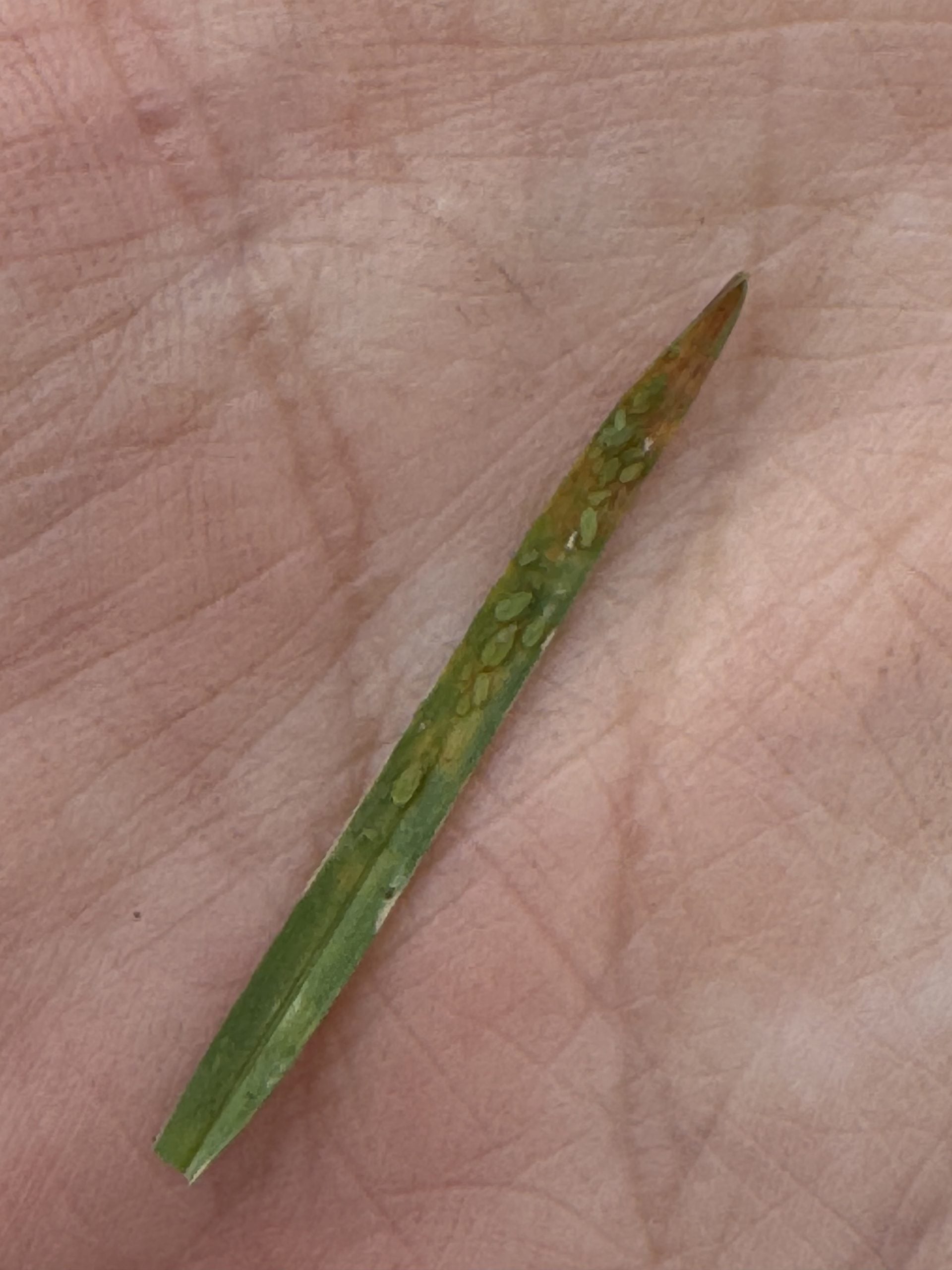
We see them on plants and trees frequently, but it’s been many years since one of our reps has seen them on turfgrass. There are over one thousand different aphid species in North America, but the one attacking lawns is the greenbug (Schizaphis graminum). As the name suggests, they are green in color. They are also very small, which makes it easier for them to blend in on blades.
What the Greenbug Aphid Does
As a piercing-sucking insect, the greenbug aphid essentially sucks the ‘juice’ out of the plant (unlike caterpillars, which feed on the actual grass blade). Turf plants affected by greenbug aphids will initially exhibit discoloration, typically yellowing, before browning out and drying up if left untreated.
While affected turf plants are unlikely to die as a result of aphid damage alone, the plants will be significantly weakened, and thus more susceptible to other stressors. Growth will also be stunted due to a lack of nutrients. As an example, with disease being so prevalent right now, if a lawn has aphids and then is affected by disease, that lawn could succumb under the extreme stress caused by those two factors.
Keep in mind that appearance is the most important thing for many customers; they will find the condition of their lawn unacceptable regardless of whether or not the turf is still alive, which is why quick control is so important.
Correctly Detecting Damage
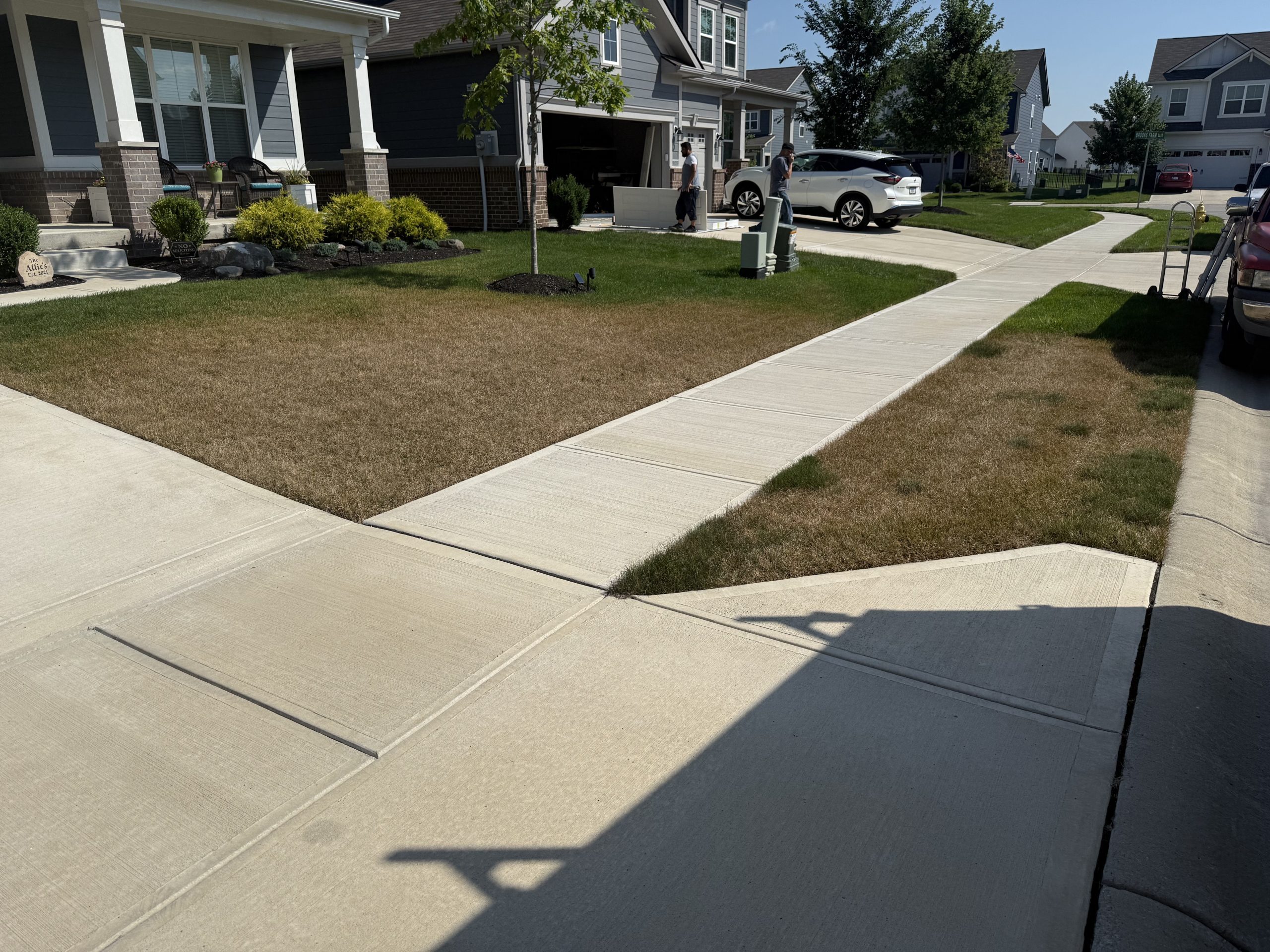
We mentioned the symptoms, but aphid damage can be easily mistaken for other issues. I got a call from a customer who had unknowingly encountered aphid damage and thought the lawn just needed more fertilizer. After that didn’t work, he hit it with a fungicide, which also didn’t work. It was very puzzling, so I came out to look at the lawn and found aphids everywhere. If a lawn doesn’t seem to be responding to treatments this summer, it could very well mean aphids are present.
If you’ve found aphids, check the turf plant’s crown to determine the extent of the damage. If the crown is still green, the plant should be fine. If you lose too much of the top and then enter a period of drought, that exposed crown can lead to the plant drying out.
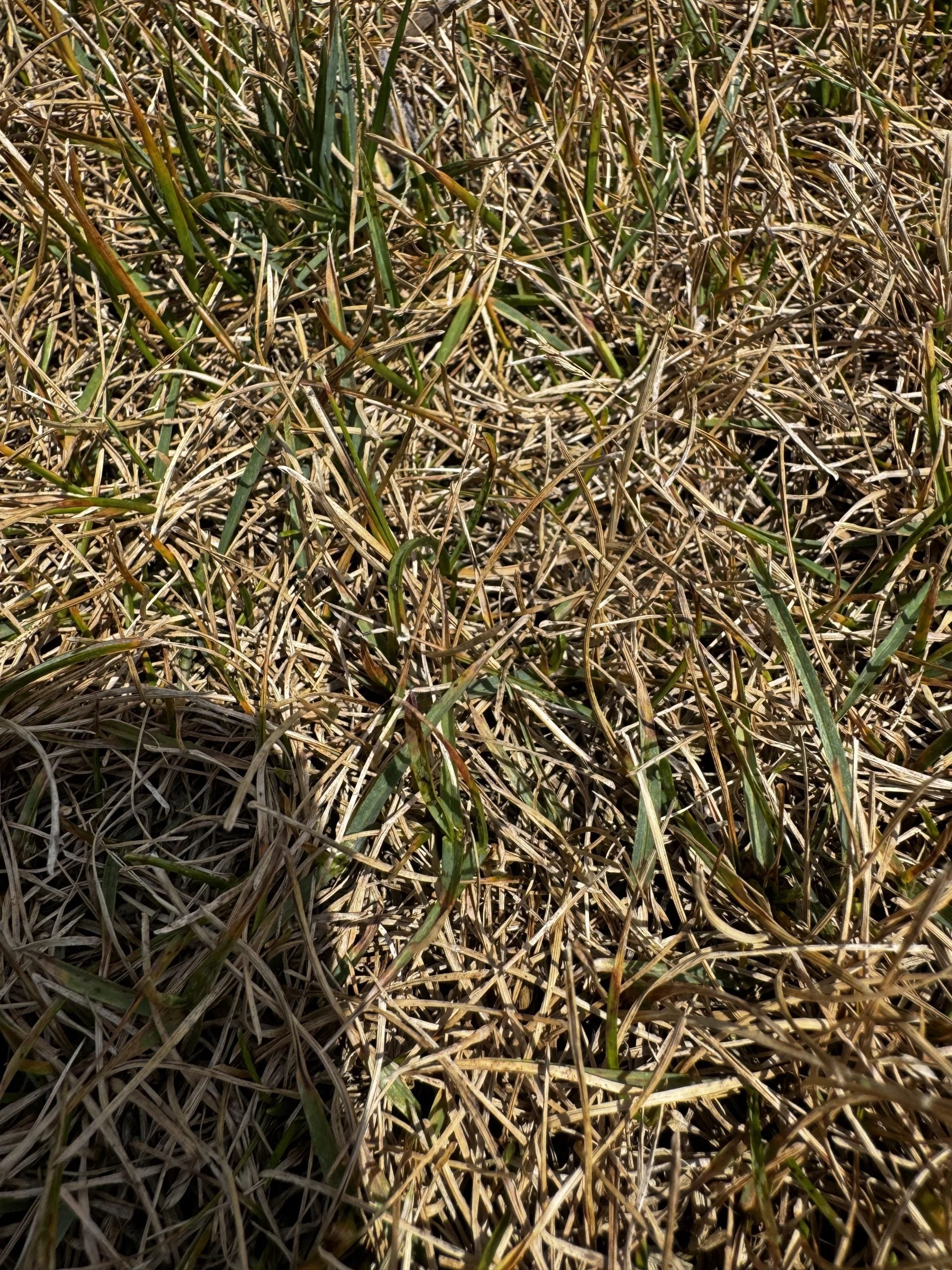
Note: In terms of recovery, you will need to add fertilizer to allow the lawn to grow out of the damage. In a cruel twist of irony, aphids like feeding on well-fertilized turf, so it’s a bit of a double-edged sword.
Controlling the Aphids
I recommend using liquid bifenthrin products like Wisdom to control greenbug aphids. I say liquid because the aphids congregate on the blade, which is where the product will need to be applied. They are not surface feeders, which makes granular products unfeasible. Liquid bifenthrin products provide the necessary contact and also deliver a quick knockdown. If you encounter aphids and still need to make a grub control application, you can apply a product like Triple Crown to handle both problems.
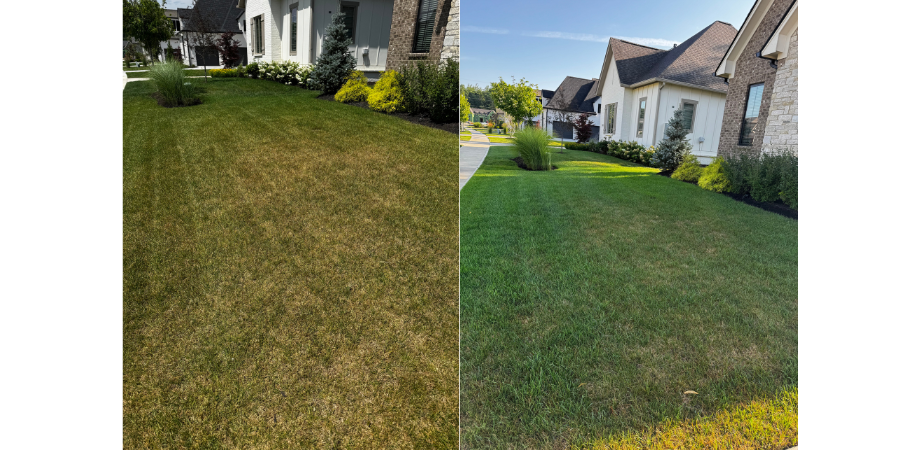
If you believe that one or more of the lawns you treat may be suffering from aphid damage, please reach out to your ATS rep as soon as possible.