This fall, it’s important to get out ahead of the winter annual weeds that can take over your customers’ lawns and landscape beds. Although they aren’t visible now, these weeds can cause major headaches in the spring if they’re able to germinate.
1. Hairy Bittercress
Hairy bittercress is a fast-spreading winter annual weed that begins germinating in the fall. It’s also one of the first weeds to flower in the spring, which can lead to an influx of service requests if it’s not controlled properly.
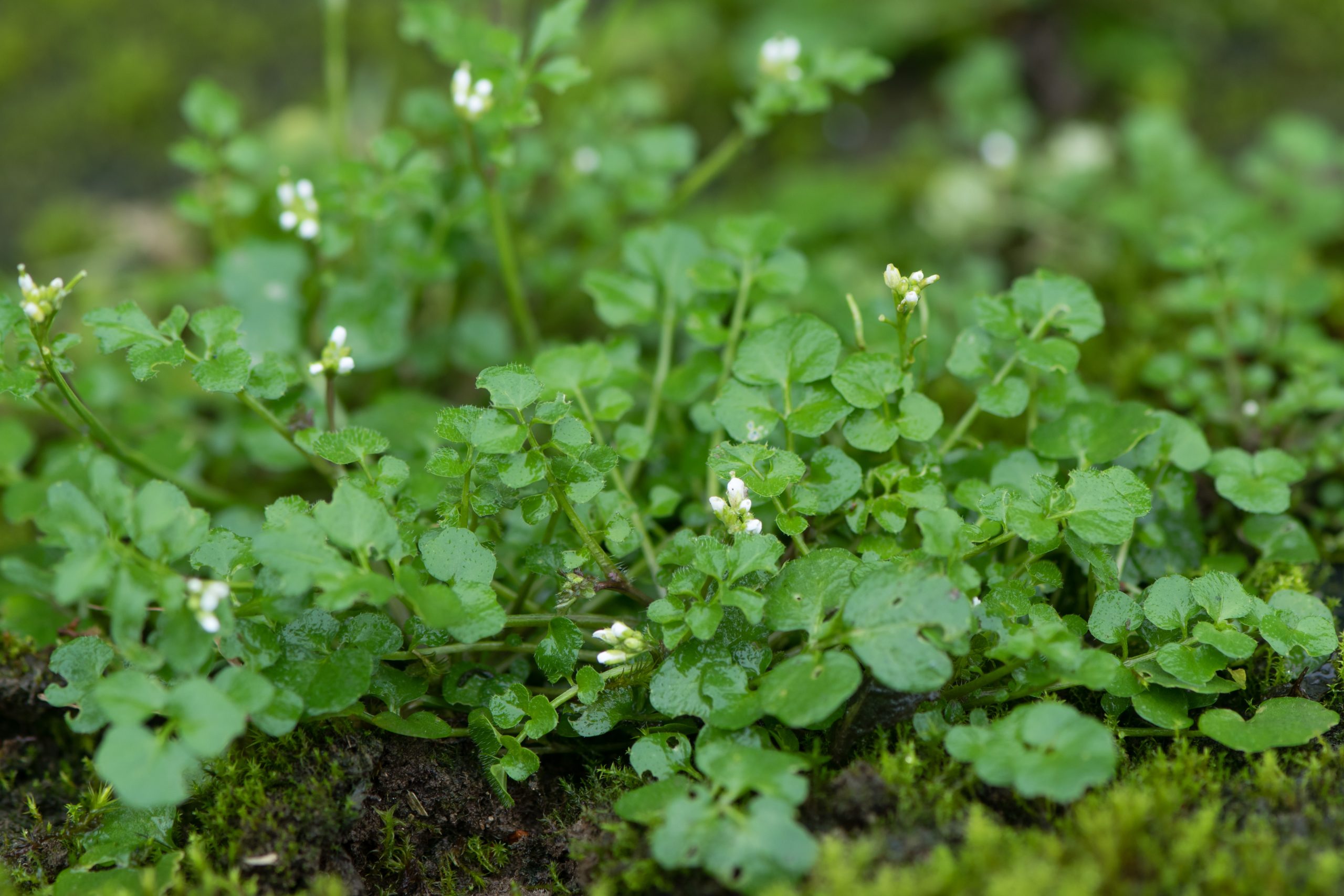
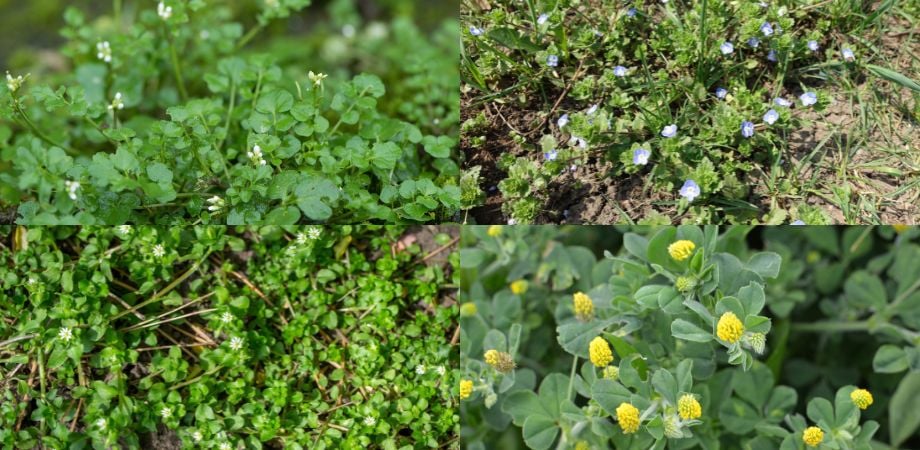
Hairy bittercress (Cardamine hirsuta) first appears as a low-growing ring of heart-shaped leaves. The weed will then grow stalks that produce tiny white flowers and seed pods. Since it can easily infest lawns and landscape beds, the best way to control hairy bittercress is to apply a pre-emergent herbicide in the fall.
2. Speedwell
Speedwell is a catch-all term for a group of winter annual weeds that appear in the spring. These weeds thrive in cool, moist conditions and can outcompete turfgrass seedlings, potentially leading to weak, patchy lawns.
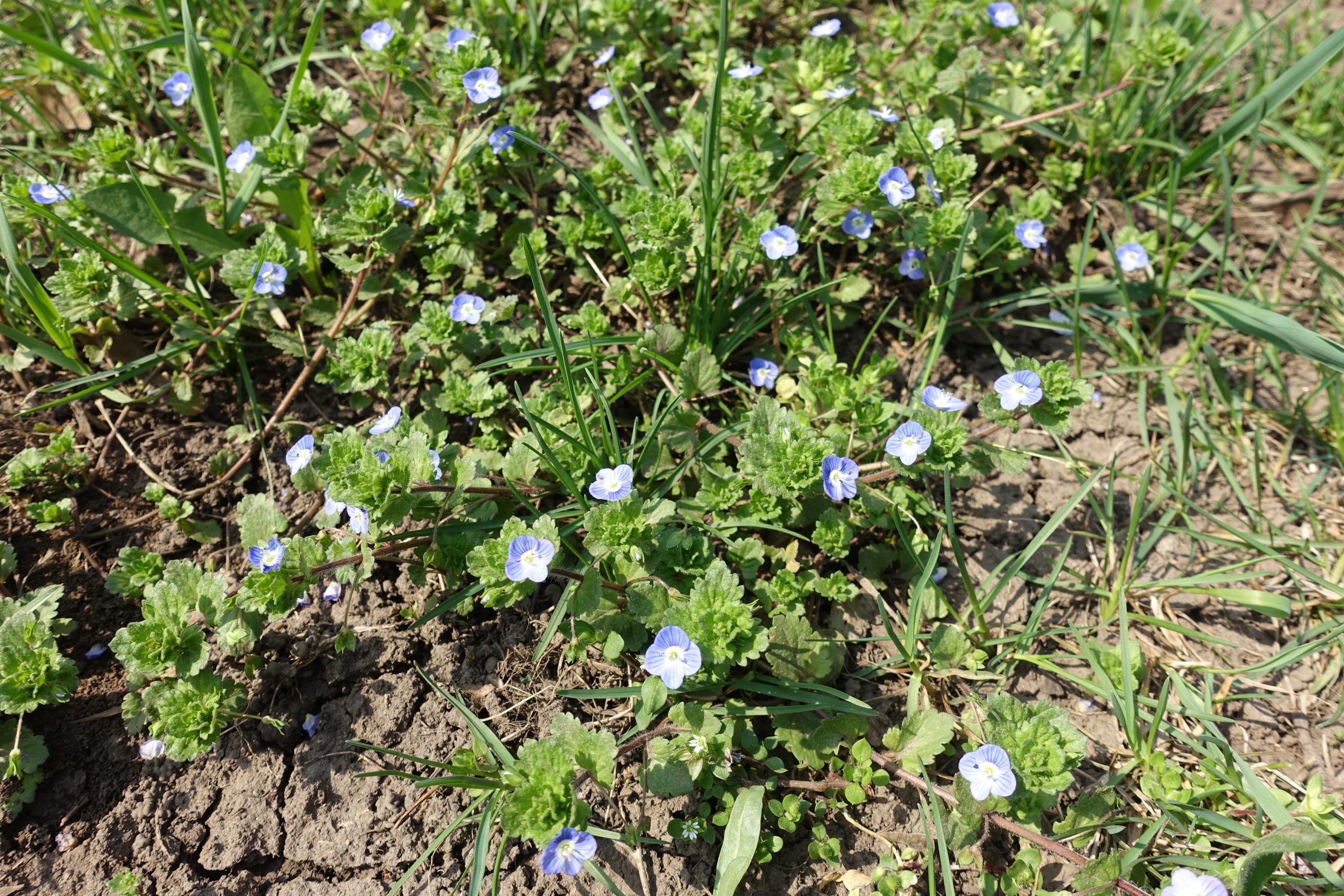
For the most part, speedwells grow close to the ground, have small leaves, and produce blue, violet, or white flowers. Similar to hairy bittercress, speedwell (Veronica) can be controlled with a pre-emergent herbicide.
3. Chickweed
Chickweed is a winter annual weed that germinates in late summer and early fall. It then overwinters and emerges in early spring. Each chickweed plant can contain thousands of seeds, making early control essential to prevent it from spreading.
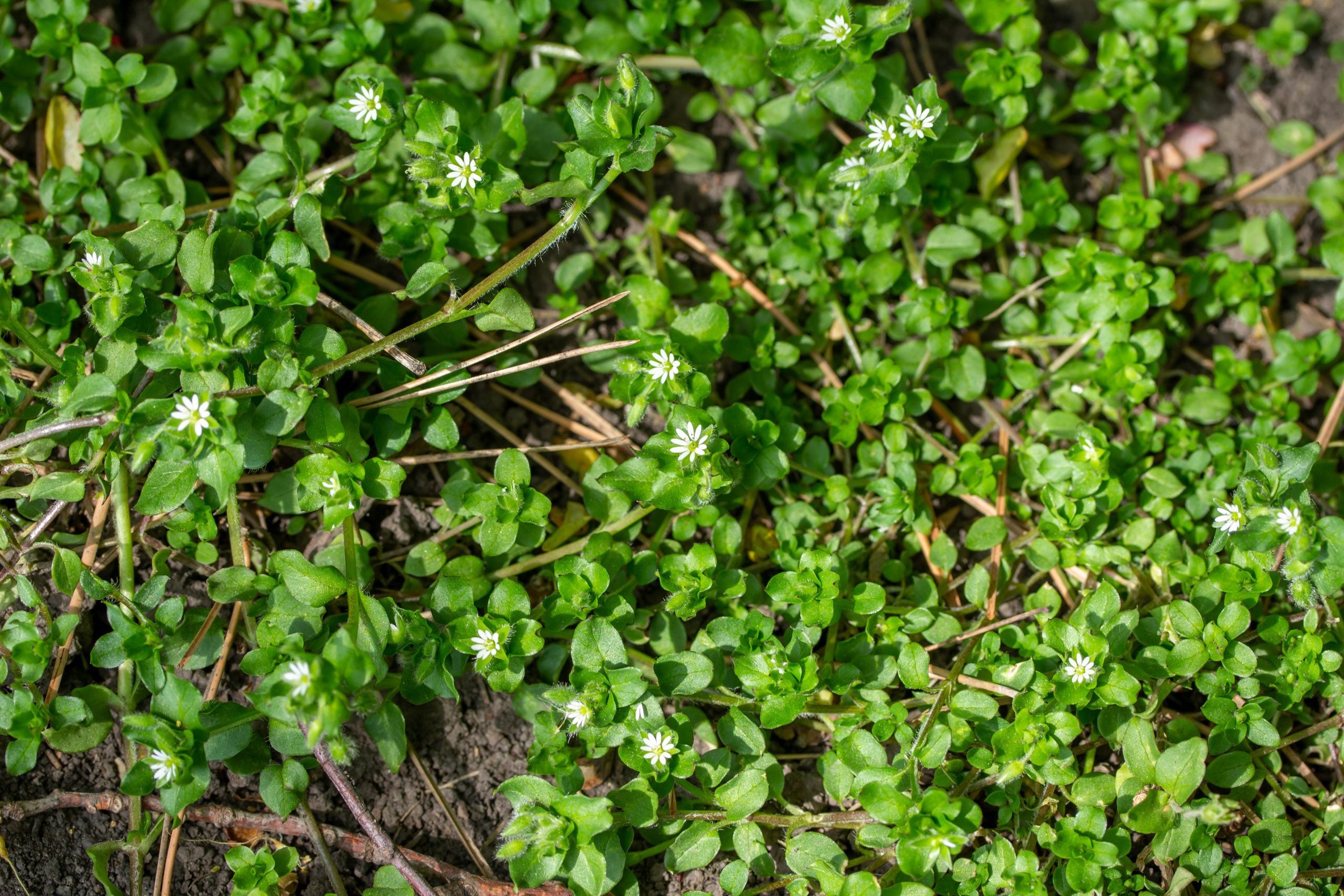
Chickweed (Stellaria media) has a clover-like appearance in its early stages of growth. It then develops small, white flowers and forms dense mats. Once these mats grow large enough, they are very difficult to control, so pre-emergent herbicide applications are your best option.
4. Black Medic
Black medic is either a summer or winter annual weed, depending on the climate. In areas with mild winters, like the South, it will germinate in the fall and overwinter. Black medic thrives in nutrient-deprived soil, so be sure to fertilize your customers’ lawns this fall, too.

Black medic (Medicago lupulina) is a low-growing weed whose leaves look similar to clover. As it grows, small, yellow flowers and fruiting bodies appear. Black medic thrives in dry, compacted soil since it is able to produce its own nitrogen. Improving soil health and making a fall pre-emergent herbicide application are the best ways to prevent black medic.
Control These Weeds With Pre-Emergent Herbicides
Pre-emergent herbicides will prevent weed seeds from germinating, reducing the number of callbacks you get in the spring. Pre-emergent herbicides, such as Gallery SC, which contains isoxaben, and Dimension 2EW, which contains dithiopyr, are common and effective options for controlling a wide array of weeds. When making your application, remember to:
- Apply when soil temperatures are below 70°F at a depth of two inches for several consecutive days
- Ensure thorough spray coverage
- Consider using adjuvants to improve herbicide performance
Post-Emergent Control
If some winter annual weeds have already germinated, a post-emergent broadleaf herbicide like Defendor can provide effective control. Be sure to make your application before the first hard frost.
For more winter weed control tips, reach out to your ATS rep today. If you’re new to ATS, find a rep near you.