
Audio Blog: Combatting Summer Stress on Golf Courses
Keeping turfgrass healthy during the sweltering summer heat can be a challenge, especially on the golf…

Home / Audio Blog /
Lawns are meant for homeowners to gather on and have fun—whether it’s a cookout, a birthday party, or just a friendly chat with a neighbor. Lawn care operators know that turfgrass doesn’t always respond well to traffic, however, and damage can occur under repetitive and/or extreme traffic conditions.
Turf wear is inevitable and immediate; It simply requires physical pressure to be applied to occur. More intense activity will exacerbate the severity of wear, such as running, stomping, and placing heavy objects on the lawn. This can cause bruising and injury to turf shoots. Wear damage is often encountered as patches of thinning grass.
Soil compaction, unlike wear, develops over time due to increases in soil hardness. This is brought on by heavy traffic. Compacted soil restricts root growth, reduces air and water infiltration, and leads to poor drainage. Symptoms of compacted soil include pooling water, stunted grass growth, and increased susceptibility to diseases and drought.
Important Note: Customers with warm-season turf will likely experience fewer traffic issues in the summer than those with cool-season turf, as it will be more tolerant of stressful conditions.
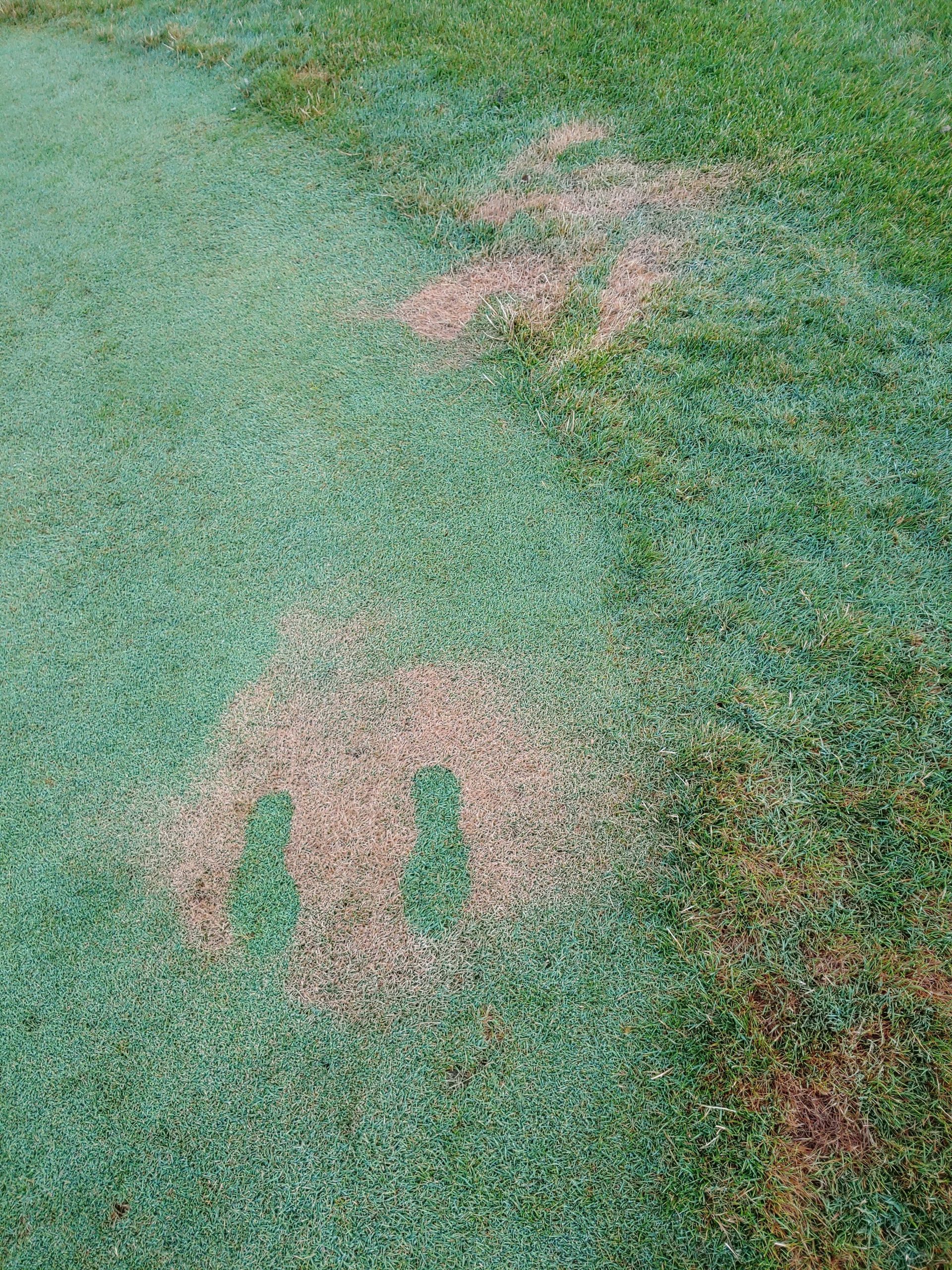
Promoting healthy turf and soil is the best way to combat traffic damage. There are a couple of cultural practices that can help LCOs prevent damage as best as they can.
Aerating is an excellent way to prevent and alleviate soil compaction. LCOs can explain to customers that this process involves the removal of small plugs of soil from the lawn. This helps improve air and water infiltration and promotes healthy root growth. It’s best to aerate in the spring or fall when turf is actively growing.
Encouraging customers to mow at a proper height (if you do not mow their property on a regularly scheduled basis), consistently water, and make fertilizer applications in a timely manner (if you do not apply them) can help them keep their turf healthy and resilient when LCOs aren’t around. LCOs should encourage customers to mow when it is dry, as mowing when grass is wet can cause further compaction and damage to turf.
When preventative measures aren’t sufficient or are no longer an option, there are several ways to alleviate damage.
For areas severely damaged by wear, overseeding is an effective repair method. Overseeding gives turf reproduction a much-needed boost; The new seed will help fill in thin spots and areas of wear caused by traffic damage. It will also help improve tolerance and reduce the amount of inputs needed.
Once LCOs have overseeded customers’ lawns, they will want to add fertilizer. Advanced Turf Solutions offers plenty of fertilizers, including ATS 16-28-12. This fertilizer contains Foliar-Pak Armament technology, which helps improve nutrient availability.
Additional inputs of nitrogen, phosphorus, and potassium can help support growth and root development, too. Amino acid products like Foliar-Pak Grow-In contain some of these necessary nutrients and can help promote quick recovery, assist in germination, and assist with color response.
Dealing with damage on high-traffic lawns is manageable with the right approach. Reach out to your ATS rep to discuss options that are tailored to you and the properties you treat. New to ATS? Find a rep here in seconds.
Keeping turfgrass healthy during the sweltering summer heat can be a challenge, especially on the golf…
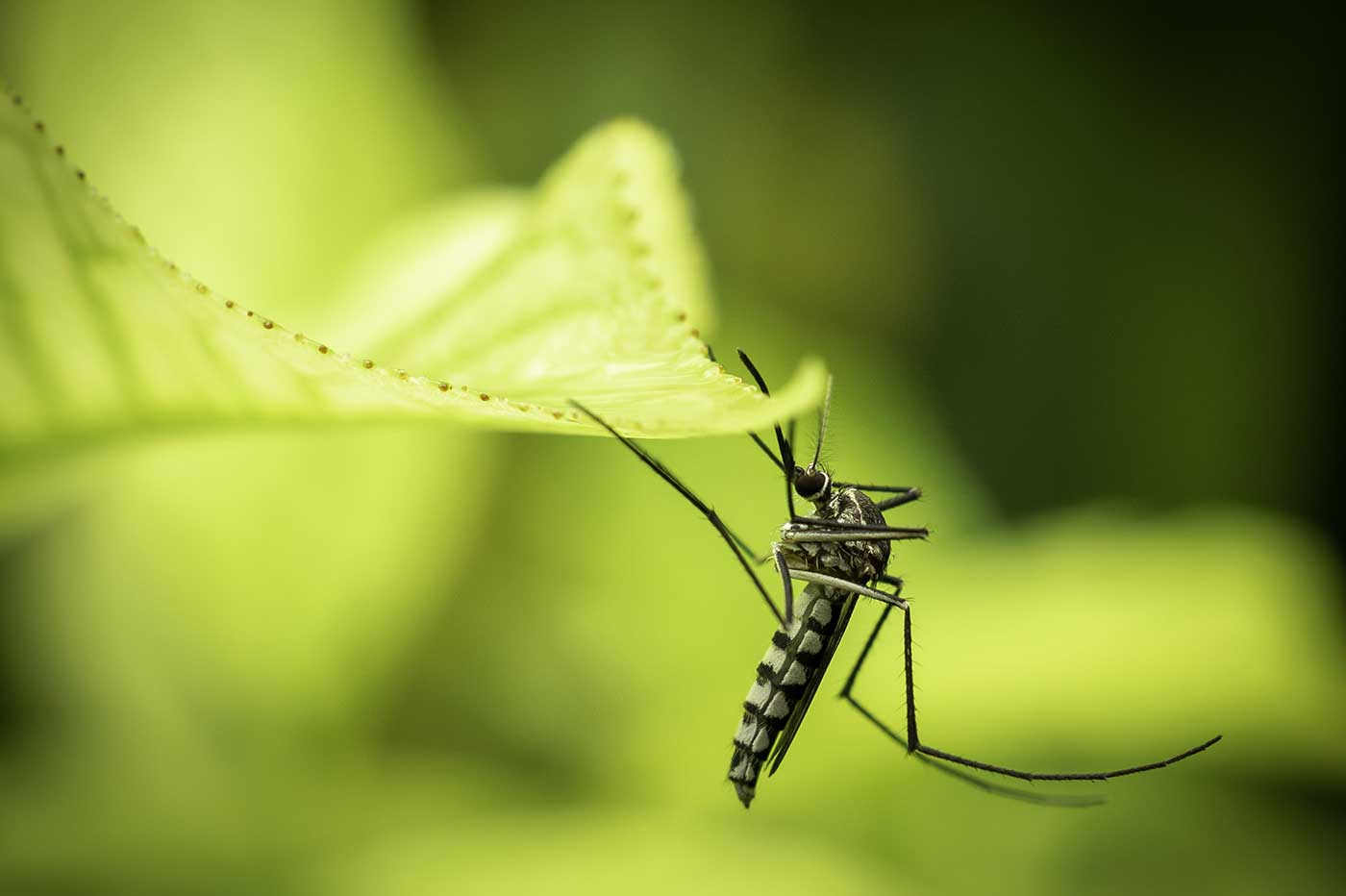
There are many insecticides on the market, all of which go by different names, but there…
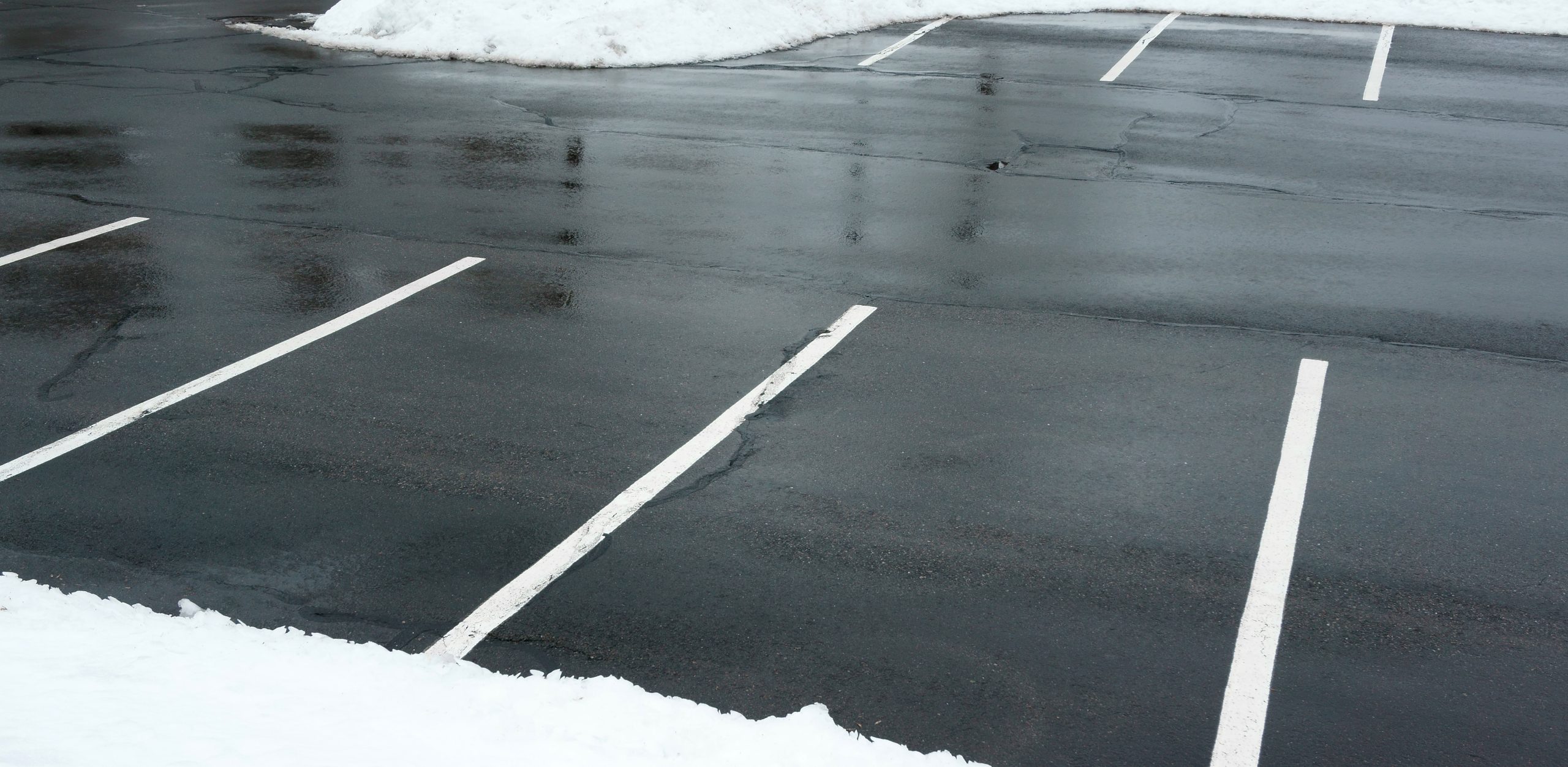
Winter is nearly here, which means it’s time to stock up on ice melt to keep sidewalks and pavement safe for pedestrians and motorists. But have you ever wondered what makes some ice melt products more effective than others? The answer lies in the science.
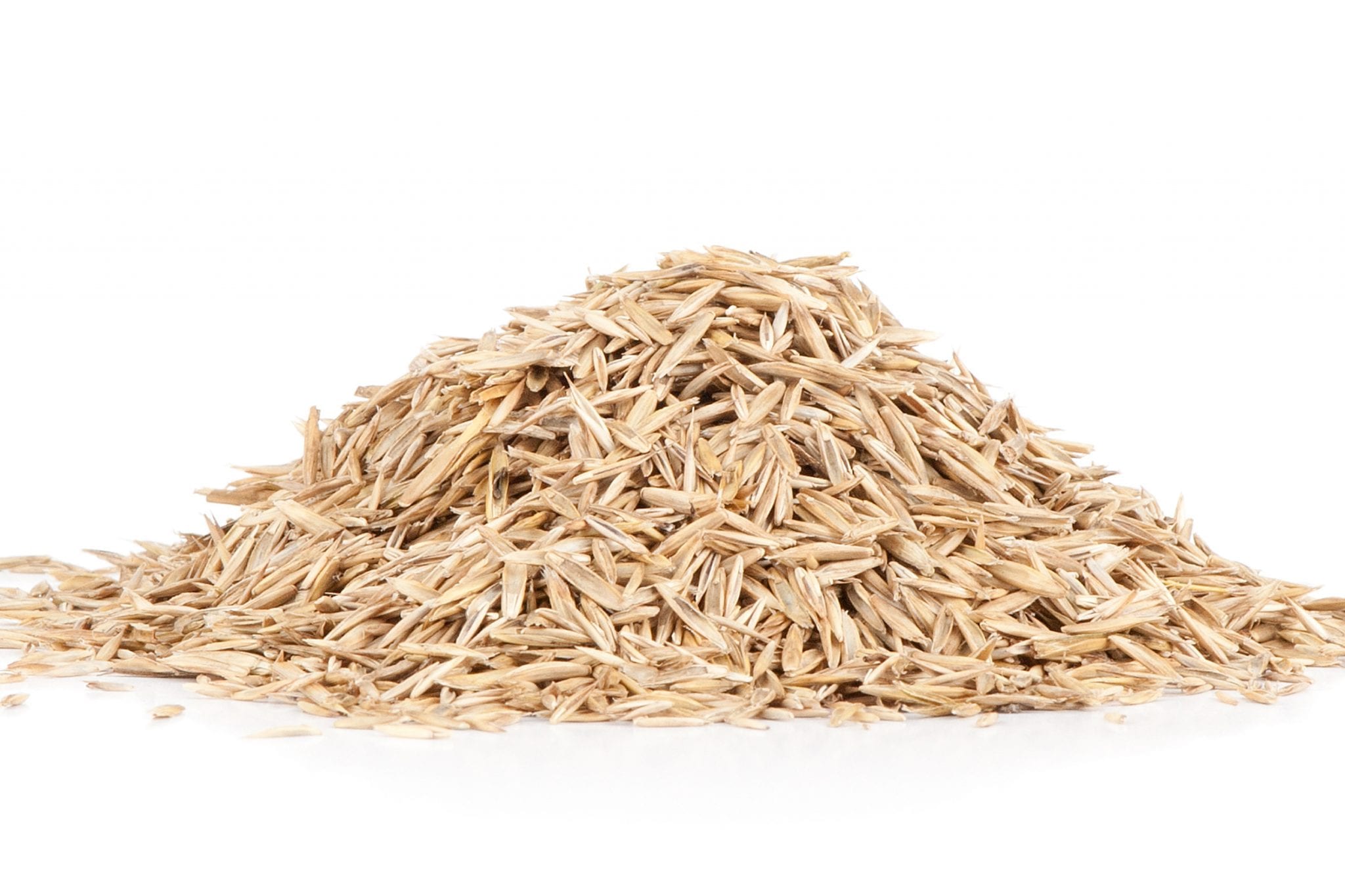
If you were not able to get all your seed jobs completed, we now need to weigh the option of dormant seeding. Keep in mind that the seeds won’t germinate until the soil warms in the coming spring. Generally, you want soil temps 40 degrees Fahrenheit or below. Assuming snow is not on the ground, one could continue through the winter.
In this comprehensive blog post, we’ll look at three popular turfgrass species.


