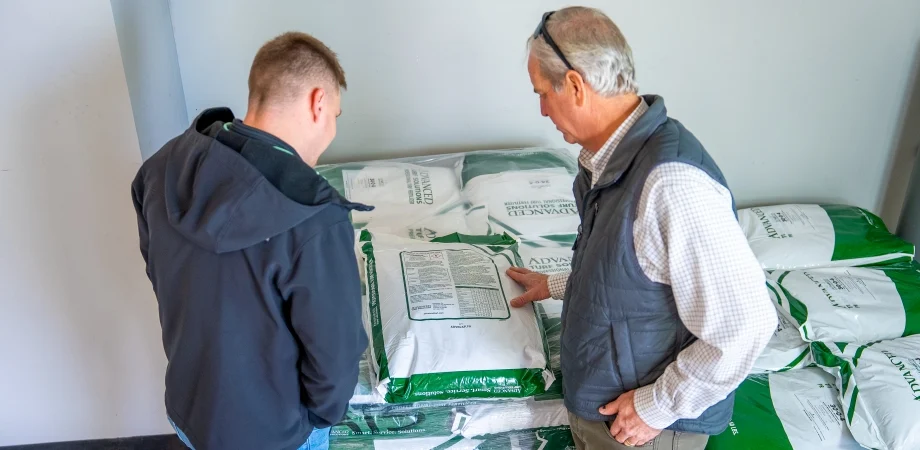
If you’ve looked at a quote for urea-based fertilizers lately, you know the market experiencing significant volatility. We are currently seeing retail fertilizer prices climb by double digits compared to 2025, with some nitrogen-based products up as much as 30%.
It’s essential to understand the “why” behind these shifts, and, more importantly, how to adapt your procurement strategy.
Why Costs are Surging
The Iran War has significantly disrupted shipping through the Strait of Hormuz. Since much of the world’s urea and ammonia pass through the Strait, we’re seeing less availability and a “risk premium” associated with what is available.
Here at home, the natural gas supply (the primary feedstock for nitrogen) remains relatively abundant, though other manufacturing inputs like liquid sulfur have seen prices nearly triple over the last 18 months.
Logistics issues are prevalent, too. Domestic trucking and rail transit remain strained as manufacturers deal with labor shortages and equipment backlogs, leading to the four- to six-week lead times we’re currently seeing.
How to Manage Without Sacrificing Quality
When input costs rise, the gut reaction is often to cut your application rate. However, under-fertilizing often leads to more expensive problems later, like weed and disease pressure. Consider the following options instead.
Controlled-Release Technology
While the per-bag cost of controlled-release fertilizer (CRF) is higher than that of standard fertilizer, the total cost over time is often lower. CRFs release nutrients gradually over 12-16 weeks, reducing the total number of applications needed per season. This results in labor and fuel savings, as well as reduced wear-and-tear on equipment. The primary return on investment of CRF is the labor saved; moving from 6-7 applications to 3-4 CRF applications frees up a lot of time.
Choose the coating technology (polymer-coated urea (PCU) or polymer-coated sulfur-coated urea (PCSCU)) that matches your specific site goals. Polymer coatings typically offer the most predictable release based on temperature, whereas PCSCUs may release faster in wet conditions.
Liquid Nutrition and Bio-Stimulants
To offset the volatility of the granular market, many professionals are pivoting toward a liquid-based foliar program. These products offer:
Higher Nutrient Uptake: Foliar applications bypass the soil and are absorbed directly through the leaf tissue. This reduces environmental losses, meaning you can often achieve the same aesthetic results with less total nitrogen.
Bio-Stimulant Integration: Liquid programs make it easier to tank-mix bio-stimulants like humic and amino acids. These compounds “prime” the plant’s metabolism, increasing its ability to handle environmental stress and make the most of every application.
Operational Flexibility: Liquid programs allow you to pivot your nutrition based on immediate weather patterns. If a heat wave is coming, you can quickly switch to a “spoon-feeding” approach with low-dose liquids rather than waiting for a granular prill to break down.
Logistical Ease: Liquid products often take up less storage space than granular bags, and modern spray equipment makes applications easy and minimizes physical strain on your crew.
Re-Evaluate Your Pricing Model
If your material costs have increased by, say, 20%, your service prices need to reflect that. Property managers and homeowners will likely be more receptive to a modest price increase than a sudden drop in turf quality.
A “buy as you go” model is not sustainable in the current market, so adopting a strategic, data-driven procurement model is recommended. By ordering early, leveraging options, and focusing on efficiency, you can protect your margins and continue to deliver the high-quality turf your customers expect.